After the Manger

Christmas is over. The presents were unwrapped, the food was eaten, and the stockings may or may not still be hung. The lights have a leftover glimmer on the trees and houses, and in a few days we might un-deck the halls, then wake up to a new year.

We celebrated Christ born in Bethlehem. Now, life must go on, and so did his.

After the Manger

He “increased in wisdom and in stature and in favor with God and man,” Luke tells us (Luke 2:52). Readers blink and the gospels transform the infant Savior into the prophet, teacher, miracle-worker, and sacrifice promised for centuries (Matthew 1:21). Luke, however, uniquely different than all the other gospel writers, includes one more chapter in Jesus’ life between the manger and his ministry: his childhood.

Christ the Boy

Jesus was once the baby we sing about in our Christmas carols and see in our nativity scenes, but he was also a child. He learned to walk, talk, read, write, and take care of his household just like any other Galilean boy would have.

In Luke 2:41-52, we find the 12-year-old Jesus making the trek to Jerusalem with his parents, just as they did every year at the Passover. Imagine the Son of God hiking the dusty roads with his people to celebrate a deliverance that would pale in comparison to the one he came to accomplish (Exodus 12:1-28). This deliverance would not come from a runaway prince, ten plagues, parted Red Seas, and dead lambs, but from God in flesh to redeem all flesh for himself. His triumph would not merely be over human kingdoms but heavenly ones, disbanding sin and death, not merely Pharoah’s armies. And yet he, in the form of a 12-year-old boy, made his way with the rest of the Jews to the Passover. The deliverer walked with those needing deliverance.

After the Passover, Jesus stayed behind in Jerusalem (unbeknownst to his parents) to listen to the teachers there and ask them questions (Luke 2:46). Why would the omniscient ask questions? Didn’t he know everything? They asked him questions, too, and “were amazed at his understanding” (Luke 2:47). He did not hide his awareness that he was the Son of God, and yet he still took the form of a pupil.[1]

Imagine his temple conversations interrupted by Mary and Joseph’s gasps. After days of looking for him, they finally found their son, though he made it clear that he was not merely their son. The temple was his “Father’s house,” yet it was not beneath him to return his earthly parents’ home and obey them (Luke 3:49, 51).

Lowly Lord Jesus

The boy Jesus, while maintaining his divinity, showed unexpected lowliness—at least, unexpected to us and our own egos.

How often do we truly stoop to the level of the needy and broken for their good, instead of praise for our own charity? When do we look like Jesus walking to Jerusalem, looking like those in need of deliverance and remembering God’s faithfulness?

When do we choose to be humble, listen to others, and be curious with them and about their thoughts, even when we could know as much as they do, or more? The lowliness of Jesus’ posture in the temple is lower than we will ever stoop. Athanasius, in his work On the Incarnation, wrote on the lesson of Christ’s human form: “For as a good teacher who cares for his students always condescends to teach by simpler means those who are not able to benefit from more advanced things, so also does the Word of God,” who is Christ.[2] Christ himself as a 12-year-old boy was the lesson the teachers needed to learn—their long awaited Savior had come for them! And yet, Jesus did not boast about his known divinity. In humility, he listened and asked them questions, as if his greatness was not “a thing to be grasped” (Philippians 2:6). What freedom to listen and ask about the truth without ourselves and our greatness getting in the way.

Do we gladly and willingly submit to our God-given dependencies, like to parents or employers or our basic human needs for rest or work? It was not beneath Jesus to follow Mary and Joseph back to Nazareth. He did not resist the care of his parents, even though he would take care of their eternity on the cross, and neither did he discard their authority over his human wellbeing.

Children of God

In this week that bookends Christmas and the new year, I hope you remember that Christ was not only the baby born for you and the man who died for you, but a boy who lived for you. Our childlikeness, humility, and dependency on God is mirrored in him.

I don’t know what this year has been like for you or what the next year holds, but I do know God did not make us into an image of either helplessness or self-dependency, but the loving care of the Father. He will take care of you this coming year and always, because you are his.

“See what kind of love the Father has given to us, that we should be called children of God; and so we are.” (1 John 3:1)

[1] R.H. Stein, Luke, New American Commentary (Nashville: Broadman & Holman Publishers, 1992), 120.

[2] Saint Ignatius the Great of Alexandria, On the Incarnation, Translated by John Behr (Yonkers, NY: St Vladimir’s Seminary Press, 2011), 65.


10 Tips for Faithful Student Ministry in the New Year

Over the past several months I’ve had the opportunity to reflect on my Student Ministry as I plan for the next year. It is easy to lose sight of what is important in your planning and program to impress instead of disciple. Here are some somewhat random but important tips and priorities for you as a Student Pastor and your student ministry in the coming year.

1. Do Less, but Do it BetterOverprogramming is a killer for many student ministries. When things get hard or we want to see growth we just assume more must be better. In reality overprogramming will kill family discipleship (families are already busy) and burn you out. Don’t overschedule the rest of your church. Free students to be involved in other aspects of church life. Find the things you really want and need to do and do them excellently.

2. Involve ParentsParents are great. Find ways to get the involved as volunteers and leaders. If parents are the key disciplers of students we want to create opportunities for parents to invest more deeply in their students, not take away opportunities from parents. If not as volunteers, find ways to hang out with parents, talk to them, communicate with them, and equip them.

3. Don’t Hound Students about Lack of AttendanceYes, attendance matters. Yes, you’re unfairly judged based off of attendance. Yes “what are you running on Wednesdays” is the first question you’re always asked. Often, the lack of attendance is more on the parent than the student. Also, their lack of attendance does not mean you cannot still let them know you care.

4. Do More Lunches and Coffees and Less Big EventsA regular, intentional lunch meeting with a student(s) will do more for their faith than another game night ever will. This doesn’t mean to cancel the game night, but if fun events take up more of your bandwidth than your people you’re missing your best ministry. Budget to be with students and leaders.

5. If You Play Games, Do Something Everyone Can EnjoyMany student ministries have a regular gametime and it becomes one of the most polarizing things they do every week. Students either feel like champions because they always win and are popular or left out because it isn’t something they’re good at. If you have games, make sure they build community not break it down.

6. Plan to Preach WellStudent ministry is busy, fast, and stressful. Make sure you plan time to focus on what matters most—getting the gospel in the lives of students. Let your prep time for your sermons be of paramount importance in your schedule. Discussions, games, etc are great—but God does something special in preaching. Get good at it and prioritize it.

7.Invest in Your Young StudentsIt is a temptation to spend all of your time with the mature older students who are doing well. But make sure you’re investing in your middle schoolers. You cannot just cast the vision to your students one time, but must continually do so to each new group.

8.Take Advantage of Pulpit TimeWhen you get to preach on Sunday morning (or even when you do announcements) take it seriously. You can gain or lose more credibility here than anywhere else. Be clear, give the gospel, be presentable, and take it seriously. Student Pastors should be pastors before they are the adjective that modifies it in the title.

9.Make Hospital VisitsIf you’re a pastor, make sure to visit your people in the hospital if you can. This is one way you can actively be a pastor to your whole congregation. Learn to talk with people, pray with them, and be available. Take a student, intern, or another pastor with you and you can doubly bless the person you visit and yourself.

10.Get EquippedStudent Ministry is serious ministry. We are on the front lines of every cultural shift. We preach to conflicted hearts. We pastor people in their most formative years. Don’t shortchange your people—get equipped. Go to seminary if you haven’t. If you can’t afford it ask your church to help. Find a mentor. Get involved in a cohort. Read good books. We cannot stand to be un-equipped in our faith while trying to equip students.


His Star Appears In The East

Throughout history, mankind has sought to develop maps, instruments, and systems in an attempt to rightly orient themselves in the world. From roads to stars, navigation for travel was often aided by landmarks along a traveler’s journey. Yet, even with modern GPS, we have all found ourselves headed in the wrong direction or far from the place we intended to be. If only we had recognized that highway sign a few miles back?

In Matthew 2, the appearance of a star in the east signifies a miraculous event of a God that has intervened in the course of history. The star is recognized by the convinced kingmakers. The star is rejected by the conspiring king, Herod. The star is renounced by the cynical chief priests and scribes. For it is this star, His star, that revealed the advent of the King of Kings.

Yet, while major emphasis must rightly be given to the star’s kingly significance (Numbers 24:17), the star’s significance in relation to its’ appearance in the east allows us to treasure the coming of King Jesus to sinful man all the more.

From Genesis onward, the Bible utilizes direction to not only identify physical location, but to depict spiritual orientation in relationship to God. When Adam and Eve disobeyed God in the garden, God banished them to the east (Genesis 3:24). Similarly, when Cain went out from the presence of the Lord after murdering his brother, he settled in Nod, east of Eden (Genesis 4:16). Not only had these biblical characters moved physically, but their sin had revealed their rebellious course and distanced them from communion with God. For man to move eastward appears to be one way the Bible uniquely depicts the rupture of fellowship and disobedient path of sinful man toward a holy God.

Further in the biblical narrative, the connection between direction and heart posture remains, as those who, despite living in the aftermath of the flood, constructed the tower of Babel, first journeying east to settle on the plain of Shinar (Genesis 11:2).

However, as God sovereignly covenanted with Abram, a turning of physical direction in the narrative spotlights a new spiritual direction in relationship with God. With his back toward Ai, a city to the east meaning ‘heap of ruins’, Abram, is headed with his face toward Bethel, meaning ‘House of God’. There in the middle, Abram pitches his tent and builds his altar (Genesis 12:8).

Moreover, direction would separate Abram from his nephew, as Lot journeyed eastward as far as Sodom (Genesis 13:11). Upon the giving of covenant blessing, Abraham sets apart the promised son, Isaac, as the sons of his concubines depart eastward with their gifts to the land of the east (Genesis 25:5-6). Jacob, who wrestled with God, would too find himself in the land of the sons of the east (Genesis 29:1).

Later, God clearly displayed for the Israelites the connection, as the tabernacle would face east calling out to those distant from God, as the Aaronic priests moved west toward the Holy of Holies where fellowship was to be restored (Exodus 27:1-18; Number 2:1-34; Numbers 3:38). Nevertheless, Israel would later find themselves exiled to Babylon in the east (Daniel 9:9-10).

Our world today could aptly be described as one east of Eden. One does not have to travel far to realize mankind’s condition is far from God. Yet, the narrative of Christmas is one that finds a star appear in the east as the magi from the east recognize the coming King (Matthew 2:1-2). Was it not the prophet Ezekiel who saw the glory of God coming from the way of the east to fill the house with His Spirit one again (Ezekiel 43:1-5)?

This Christmas, as you travel far and wide to reach those who you love, remember, recognize, and rejoice, for His star in the east signifies the King who has come to welcome those east of Eden who were exiled so long ago. [1]

[1] Patrick Schreiner, Matthew, Disciple and Scribe: The First Gospel and Its Portrait of Jesus (Grand Rapids, MI: Baker, 2019), 80.


8 Reasons to Rethink the Song of Songs

The Song of Songs is the most lukewarmly debated book in the Bible. There’s some engagement, but not enough. While the arguments and interpretations of Revelation run red-hot, Song of Songs tends to be entrenched in assumptions. I want you to rethink what you might think about the Song of Songs.

Since I’m doing my Ph.D. work on C.H. Spurgeon and the spiritual sense of the Song, I frequently find myself talking to friends and anyone with ears about the Song of Songs, and I preach from the Song whenever I get the chance. I’m not surprised that most of the people I talk to think the Song is only about romance in marriage—some even believe there is no way the book has anything to say about Christ and the Church or Christ and the Christian.

When I tell people that Spurgeon did nearly 70 sermons from the Song of Songs and that they are all about Christ and the Church, they are baffled. In one sermon, Spurgeon gives seven ways Jesus is like a “bundle of myrrh.” He also gave eight sermons on “I am my beloved’s, and he is mine” (Song 2:16). Spurgeon said about the Song:

“That Song of Solomon is the central Book of the Bible; it is the innermost shrine of divine revelation, the holy of holies of Scripture; and if you are living in communion with God, you will love that Book, you will catch its spirit, and you will be inclined to cry with the spouse, ‘Make haste, my beloved.’”

So how can we catch the spirit of this book? Most of us have probably heard that the Song is only about romance, and for years, that’s what I believed too.

Here are eight reasons we should also embrace the spiritual, Christ-centered interpretation of the Song of Songs.

1. Jesus’s View of the Old Testament.Jesus said the whole Bible is about him (John 5:39, Luke 24:27). Our belief that the entire canon bears witness to the Messiah, to Jesus of Nazareth, must include the Song of Songs—if not, then we don’t have a thoroughly Christian reading of the Old Testament.

2. Illumination of the Spirit.If there is no spiritual interpretation, spiritual significance, or Christological meaning in the book, then the Song of Songs is the only book of the Bible that you don’t need the Holy Spirit’s illuminating power; all you need is an understanding of ancient near-eastern poetry. If the surface meaning of romance is the only meaning of this book, then an unbeliever can understand and live this book just as much as a believer.

3. Church HistoryFor the first 1800 years of church history, the spiritual interpretation of the Song was the interpretation. Notable names who taught the Song as instructive about Christ and believers: Gregory of Nyssa, Basil the Great, Bernard of Clairvaux, Theodore Beza, Martin Luther, John Owen, Richard Sibbes, Isaac Watts, Anne Dutton, George Whitefield, Jonathan Edwards, John Gill, Robert Murray M’Cheyne, and many, many more. How comfortable are you to be on the other side of these names and centuries?

4. The Name of the Book“The Song of Songs,” derived from Song 1:1, is the same superlative paradigm as King of kings, Lord of lords, and Holy of holies. The Bible is saying this is the greatest song in the Bible. As Jesus Christ is the King of kings, this song is the Song of Songs, not because it’s only about the marriage bed. This is the greatest song because it’s about the great love of God for us sinners. Greater love has no one this!

5. Solomonic ThemesIn the first chapter of the Song, we learn this song is King Solomon’s and that he is also a shepherd. There is a bounty of biblical theology in Solomon. Who else do we know that is a Son of David, who is a King and a Shepherd? Solomon is a shadow of the one who says he is greater than Solomon—a greater king, a greater sage, and a greater lover of his people.

AI-Generated Image of “a cluster of henna blossoms in the vineyards of Engedi” (Song 1:14)

6. Geographic ThemesThroughout the Song, you’ll notice three significant places of geography. The Song sings of a garden, Jerusalem, and the ability to enjoy milk and honey (Song 1:5, 5:1). Aren’t God’s people longing to go to the Garden, to the New Jerusalem, to the promised land that is flowing with milk and honey? The Song foreshadows the blessings to come from the reign and rule of the Messiah, the Bridegroom of God’s people, Christ the Lord.

7. Redemptive ThemesThe Bride asks in chapter three, “What is that coming up from the wilderness like columns of smoke, perfumed with myrrh and frankincense, with all the fragrant powders of a merchant?” (Song 3:6). She is making allusions to the Exodus narrative with “wilderness,” “columns of smoke,” and the unmistakeable aromas of the sacrificial system. Lastly, the Song sings of the reversing of the effects of the fall on men and women from Genesis 3. Their desires are no longer in conflict (Gen 3:16), there is now reciprocated, mutual, and experiential marital harmony, “I am my beloved’s, and his desire is for me” (Song 7:10).

8. Marriage is a Mega-themePaul tells us in Ephesians 5 that marriage was created with the encoded mystery of Christ and the Church. The mystery is now revealed, and we cannot hide it in the Song of Songs. Jesus calls himself the Bridegroom (Mark 2), John the Baptist calls Jesus the Bridegroom (John 3), Revelation ends with the marriage supper of the lamb (Rev 19), and the Church is the Bride of Christ (Eph 5). The placement of the Song in the canon continues the picture of Yahweh’s relationship with his people as a loving groom toward a struggling bride (Isa 62).

If these themes of biblical theology were sprinkled about in another book of the Bible, we would gladly say, “Wow, look at all of these pointers to Christ and the gospel.” So let’s not hesitate with the Song of Songs, the soundtrack of Christ and his bride. Our Messiah loves to use metaphors, and the Song is one we must learn to sing along with.


Faith Lifts Our Eyes Up

I watched my brother die. 

He was one of the strongest men I knew in my life and there he was struggling to take his last breaths. A brain tumor discovered six weeks earlier was now completing its fatal work. In a small hospital room, my brother passed away surrounded by our parents, his wife, his four kids, and mother-in-law. He and his wife are members of the church I pastor, so there I was mourning as brother and pastor. One nephew stayed by his side the whole time, weeping and holding his hand. My oldest nephew was in and out, feeling responsible to watch the youngest two children. When the time came, they all were there at his side. We prayed. We read Scripture. We sang. We said our good-byes. 

And then we planned services. I officiated over his memorial service and declared the hope of the gospel to the best of my ability. In some ways, it is easy to speak upon the hope we have when the loved one who has passed was a devoted believer. And my brother, Aaron, was that. He had given so much of his life to proclaim the gospel to teenagers. He had served the ministry of Young Life for around 20 years. He served faithfully at church and he led his family in following the Lord. But of course, in many ways it is never easy, especially when the departed is a loved one of your own. Many people voiced if I could get through the service, and it was hard, but we all got through it. 

And now a few months after, it is still surreal. His birthday came and it was even harder and now Thanksgiving has come and gone, and it seems to have gotten harder. Grief comes in waves, one moment it all seems fine and then the next I can’t see because of the tears. Sometimes I expect to see him, to have him help me with a project on my house, to walk through the door at my parents, or to ask to take my son rock climbing. 

Doubt can grow in times of hardship. This can be a very real concern, one which I have for my nephews and nieces. I pray they never doubt that God is there and never doubt his goodness. I have been asked if I have experienced doubt in the midst of my own grief and I can honestly say I haven’t. I haven’t doubted God being real or doubted His love and goodness. For that I am thankful. 

But I have sat in confusion. It is the confusion of not understanding. It is the confusion of not being able to grasp how my brother’s death brings God glory. It is the confusion of the created not being able to fathom the infinite. I truly don’t understand why God allows and ordains such things. 

It is right there that faith reigns. For I don’t know the “why” but I do know the “who.” Elisabeth Elliot said it like this, “Faith does not eliminate questions. But faith knows where to take them.” This is the essence of what we see again and again stated in the Bible, like in Romans 8:28 “And we know that for those who love God all things work together for good, for those who are called according to his purpose.” We can live with this verse only through faith, not understanding how all the events in our life speak the truth of this verse, but trusting the one who is working. 

When my brother passed I was reading through J.I. Packer’s Knowing God with one of my church members. Packer has a statement that says, “Every single thing that happens to us expresses God’s love for us, and comes to us for the furthering of God’s purposes for us.” To read this while my family was grieving was hard. But it is true. Faith demands we see beyond the pain of the moment to the One who loves us, who gave His Son for us, and who will wipe every tear away. A faith in Jesus Christ is an eye lifting faith, lifting our eyes to the One who stands above. 

Faith doesn’t stop the confusion, but it does direct our hearts to the One who reigns in a seemingly confusing life. Faith allows us to question while we trust. Faith allows us to weep while we rejoice that a believer is now with the Lord. Faith allows us to take that step the next day, mourning our loved one but continuing to live. 

So I lift my eyes up… to behold our Almighty Father. “I lift up my eyes to the hills. From where does my help come? My help comes from the LORD, who made heaven and earth.” Psalm 121:1-2 


2022 For the Church Book Awards

Famed poet and essayist, Ralph Waldo Emerson, once said “Some books leave us free and some books make us free.” As we reflect on the year 2022 and the books published, we believe this statement could not ring more true.

As people of the Book, we know true freedom comes from Christ our King. However, many of the new releases, including those recognized below, empower and encourage Christians on how to live a life of freedom in Christ. Whether in seasons of sorrow, through the pain of hurt and regret, or in reflections on the Church, we pray these selections serve as a resource for you to pursue Christ all the more in the weeks, months, and years to come.

Like every year, we are pleased to present our readers with a few books that stuck out as exceptional from this past year. For our sixth annual For the Church book awards, members of our FTC council, editorial staff, and seminary community chose two books—a winner and a runner-up—to honor and to recommend to you for the way they impacted them personally and/or offers a significant contribution to the Church and her pursuit of a gospel-centered faith.

Congratulations to this year’s winners of the 2022 For the Church Book Awards!


Dr. Jason K. Allen, President of Midwestern Seminary and FTC Editor-in-Chief

Winner: 27 Servants of Sovereign Joy: Faithful, Flawed, and Fruitful by John Piper (Crossway)
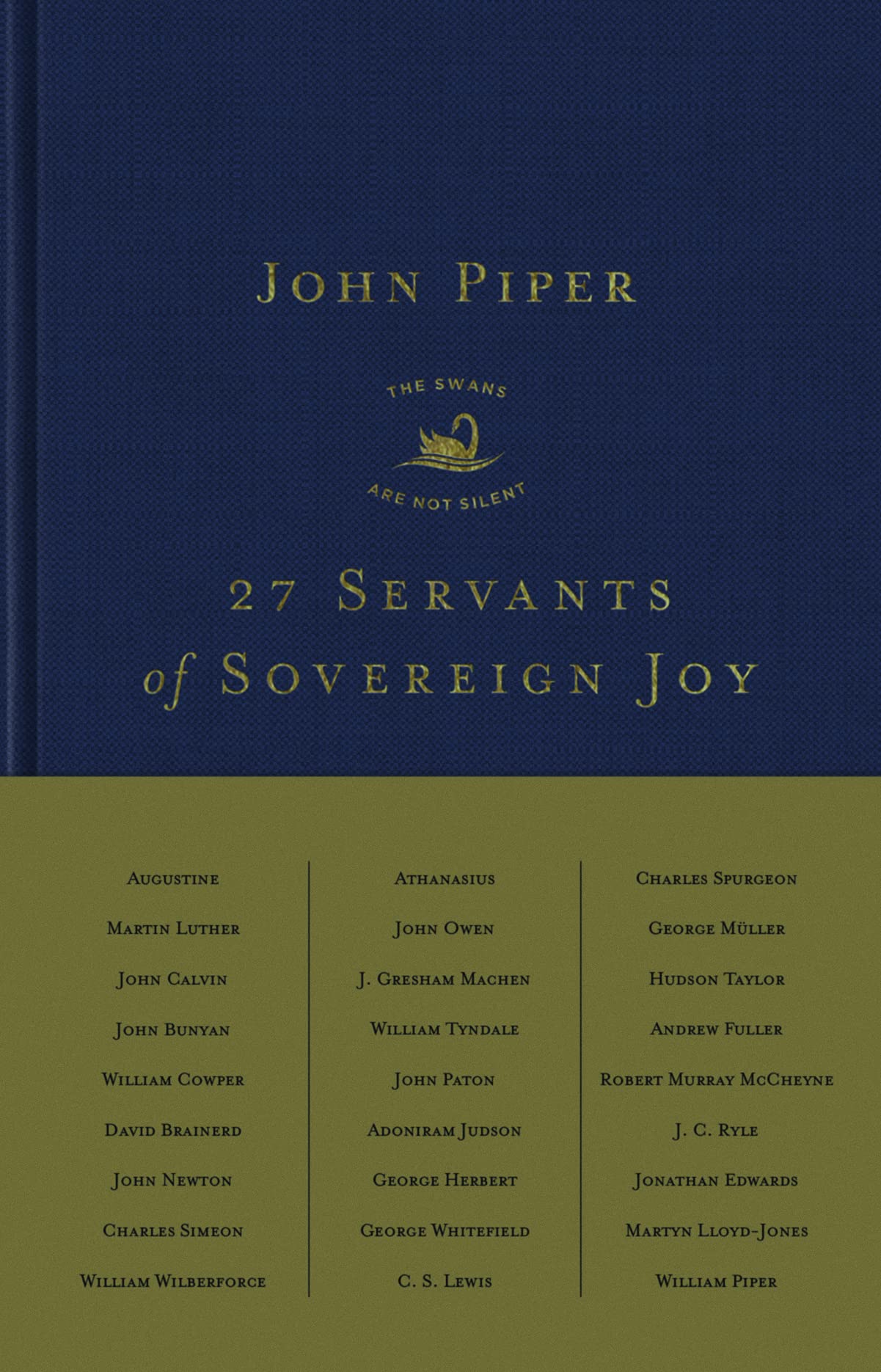
27 Servants of Joy: Faithful, Flawed, and Fruitful: Piper, John: 9781433578472: Amazon.com: Books “Over the years, few books have fed my soul like the periodic installments of John Piper’s The Swans are Not Silent. Those brief, accessible biographies of Christian luminaries have at once warmed my devotion for Christ and strengthened my service for Him. That’s why I was delighted to see Piper’s 27 Servants of Sovereign Joy, which compiles that series into one rich, hefty volume.

Piper’s genius is not a simple retelling of the well-known, broad contours of the lives of Augustine, Luther, Edwards, Spurgeon, and the like. His genius is in presenting these heroes with all their weaknesses, outlining their herculean gospel-contributions, and identifying what motivated them to such extraordinary feats of Christian service.

Taken together, these combined biographies are a helpful primer in church history, but they’re much, much more than that. For the reader, each brief biography is prose and poetry, information and inspiration, edification and exhortation. And if you read this volume with an open heart, you’ll experience the full range of human emotions: gratitude, conviction, worship, renewal, and rededication.

Many years ago, I heard Piper declare that one can’t be a serious student of church history without reading Roland Bainton’s biography of Martin Luther, Here I Stand. I received his admonition and scurried to the bookstore to secure my copy of Bainton’s biography of the famed reformer. I suppose you can be a serious Christian without reading Piper’s 27 Servants of Sovereign Joy, but I’m not sure you can be a well-armed, well-edified one. And that’s why I hope you’ll now scurry to secure your copy of Piper’s 27 Servants of Sovereign Joy, and that you’ll read it with an open heart.”

Get the book here.

Runner-Up: Seasons of Sorrow: The Pain of Loss and the Comfort of God by Tim Challies (Zondervan)
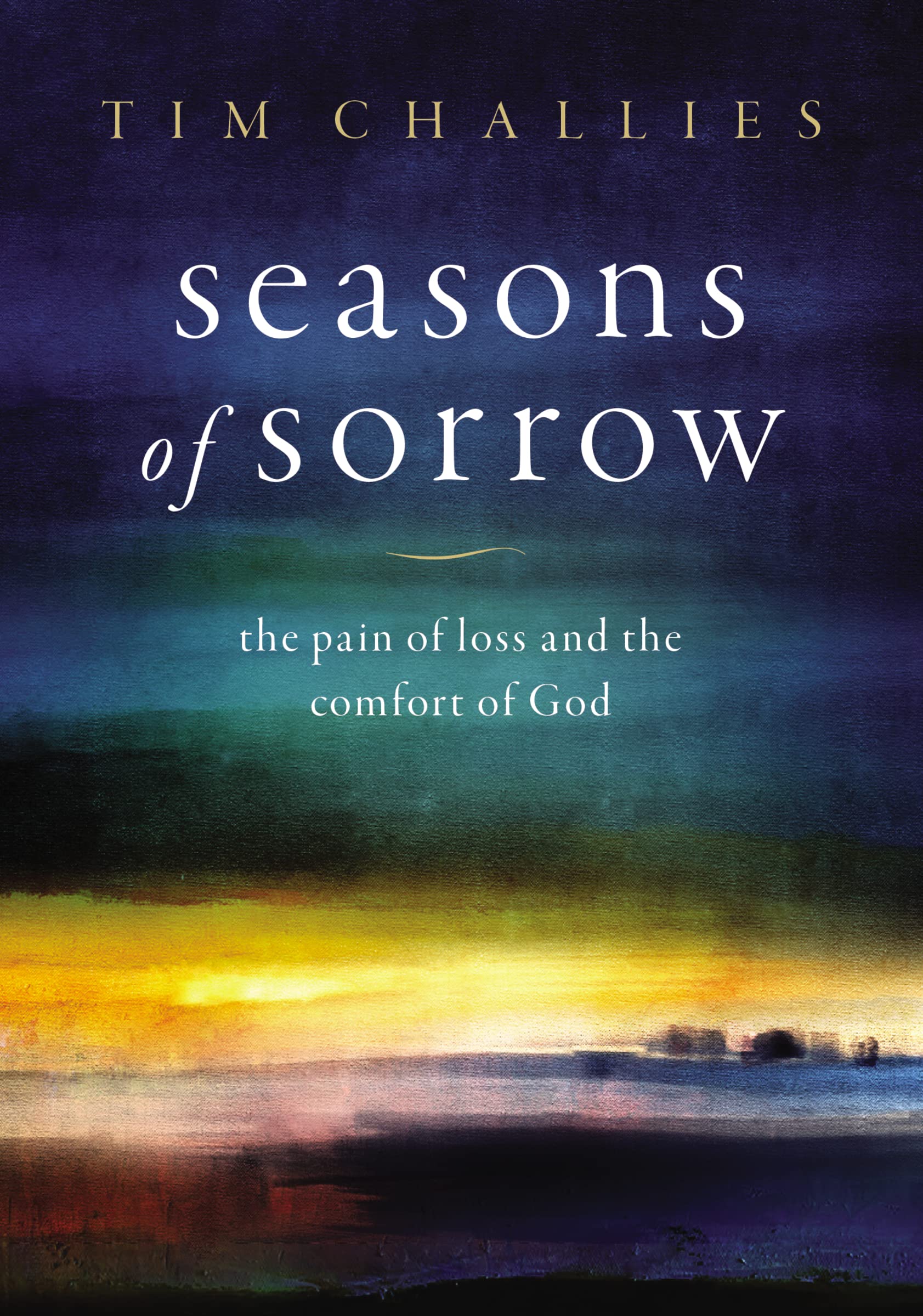
Seasons of Sorrow: The Pain of Loss and the Comfort of God: Challies, Tim: 9780310136736 : Amazon.com: Books “Never have I picked up a book with my emotions as mixed as when I opened Tim Challies’ Seasons of Sorrow. For years I’ve benefited from Challies’ online content, and for nearly as long I have counted him a friend, albeit a more distant one. That’s why I agonized with him and prayed for him when, two years ago, I received the shocking news of the death of his college-aged son. That’s also why I’ve anticipated Challies’ Seasons of Sorrow, knowing that I’d benefit from reading of Challies’ dark night of the soul when he lost his son, his only son, and of the Lord’s preserving grace through it all.

I’ll confess, my mixed emotions stayed with me throughout the book. I moved through it, page by page, not as an aloof reader but as a father of five children and one who, as a pastor, knows his way around hospital rooms, funeral homes, and distraught living rooms. Throughout Seasons of Sorrow, I found myself in places desiring nothing more than to put the book down but unable to do so.

When I know a believer who is shocked in grief, I often pray that, “They’ll sense the very real ministry of the Holy Spirit in their lives.” As you read Seasons of Sorrow, you’ll see and sense such ministry of the Holy Spirit firsthand. For those who’ve experienced a traumatic loss, this book will be a spiritual salve. For those who haven’t, it’s preparatory. It will enable you to better endure your own hour of trial if in God’s perfect providence such befalls you, and it will also allow you to better minister to others in such moments of grief.”

Get the book here.


Dr. Jason G. Duesing, Provost of Midwestern Seminary and FTC Editorial Council Member

Winner: Typology-Understanding the Bible’s Promise-Shaped Patterns: How Old Testament Expectations are Fulfilled in Christ by James M. Hamilton, Jr. (Zondervan Academic)
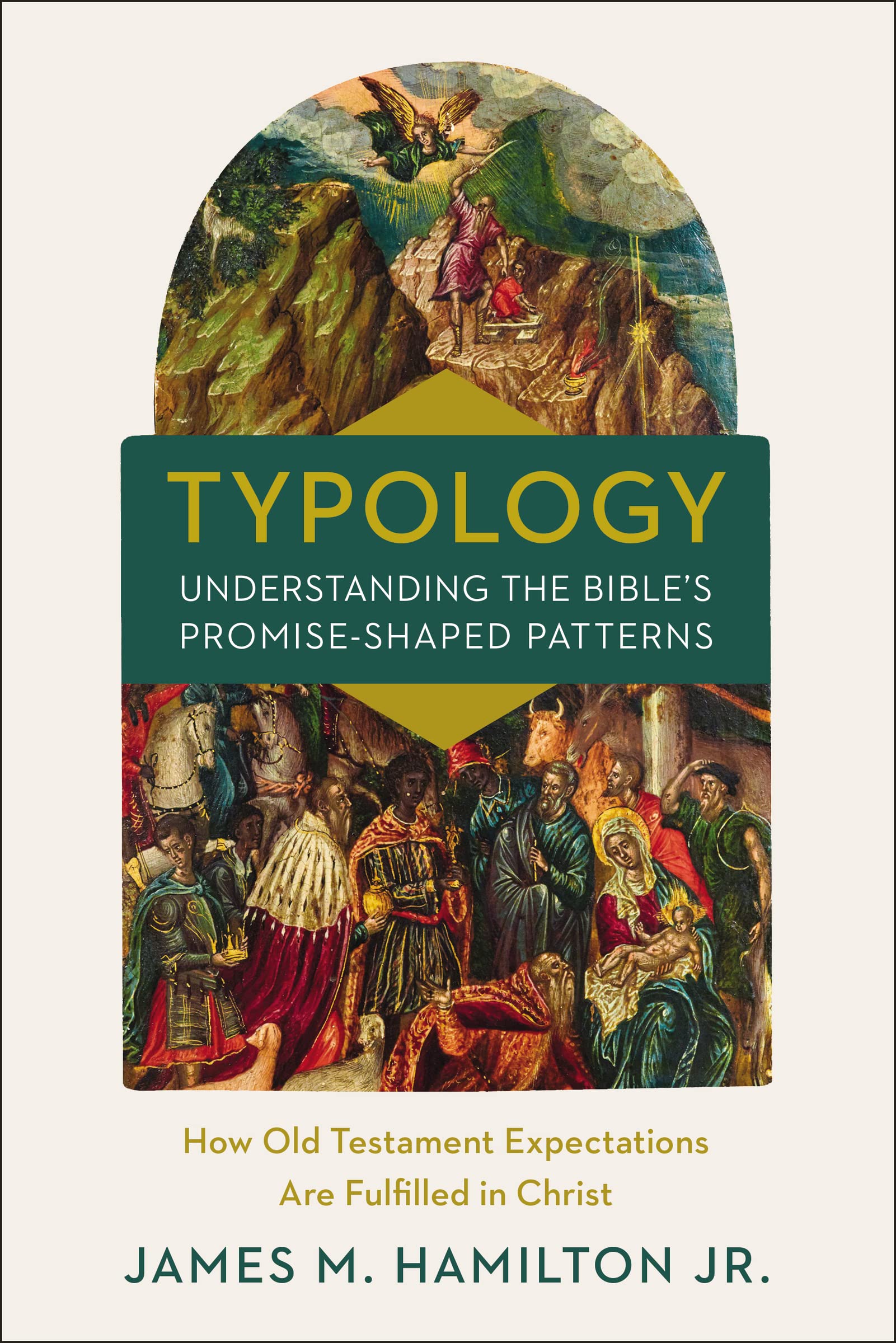
Typology: Hamilton, James H.: 9780310534402: Amazon.com: Books“Hamilton explores, defines, and teaches how we can best understand the relationship between God’s promises in the Bible and the pattern of events in the Bible that echo those promises. He argues that the biblical authors, under the inspiration of the Holy Spirit, intended to communicate through typology or promise-shaped patterns. Creatively written, the book itself is constructed as a chiasm and one designed to help you love the Bible and the Bible’s Author even more.”

Get the book here.

Runner-Up: The Completion of C.S. Lewis (1945–1963): From War to Joy by Harry Lee Poe (Crossway)
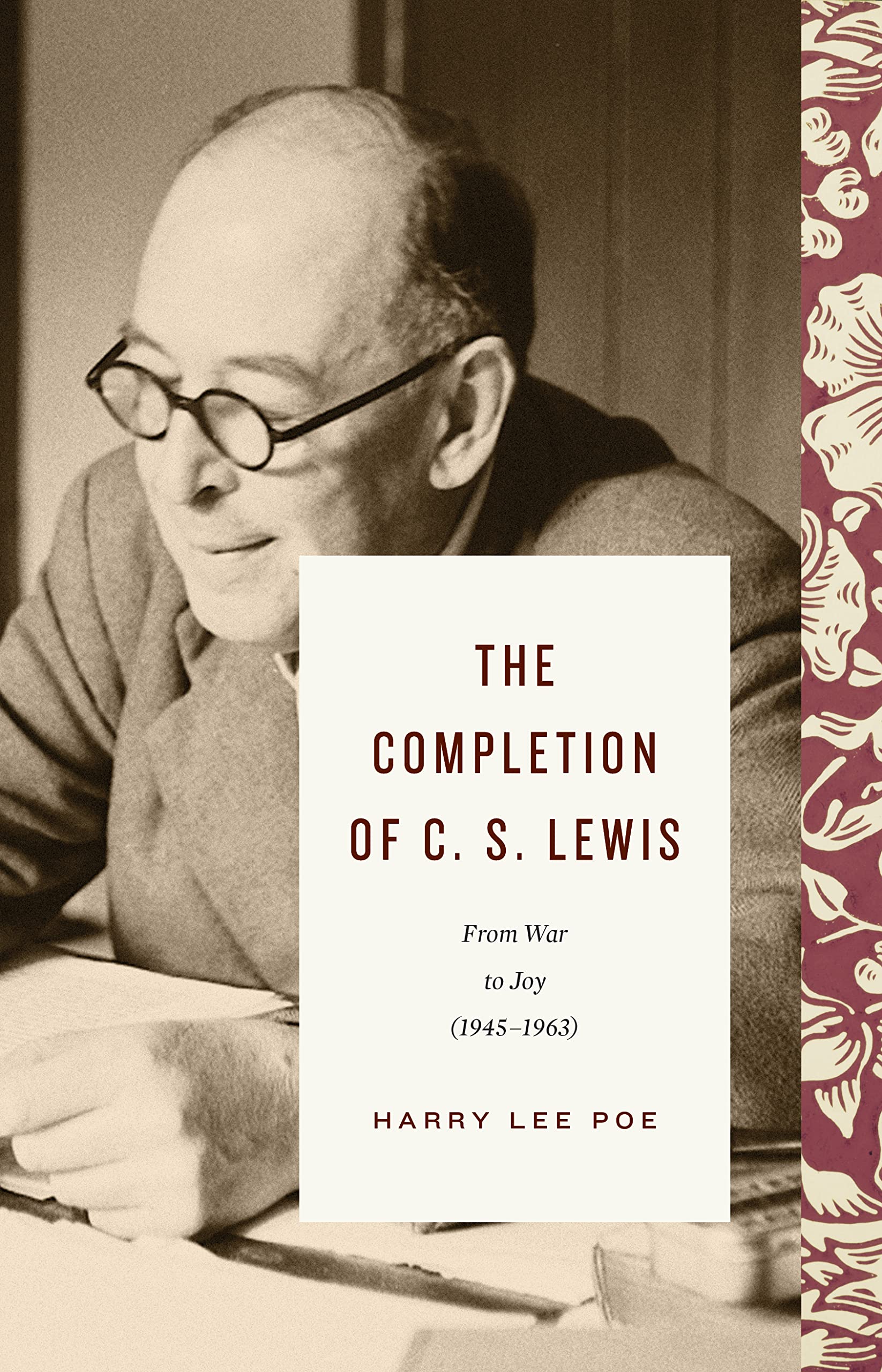
The Completion of C. S. Lewis (1945–1963): From War to Joy by Poe, Harry Lee: 9781433571022: Amazon.com: Books“This volume which marks the completion of a new trilogy biography of C. S. Lewis is one that readers and admirers of Lewis, new and old, will enjoy. Poe wrote these volumes at just the right time, following decades of his own widely-respected research, to reintroduce Lewis to a new generation.”

Get the book here.


Jared Wilson, Assistant Professor of Pastoral Ministry, Spurgeon College; Author in Residence, and FTC Editorial Council Member

Winner: Gospel-Centered Discipleship: Revised and Expanded by Jonathan K. Dodson (Crossway)
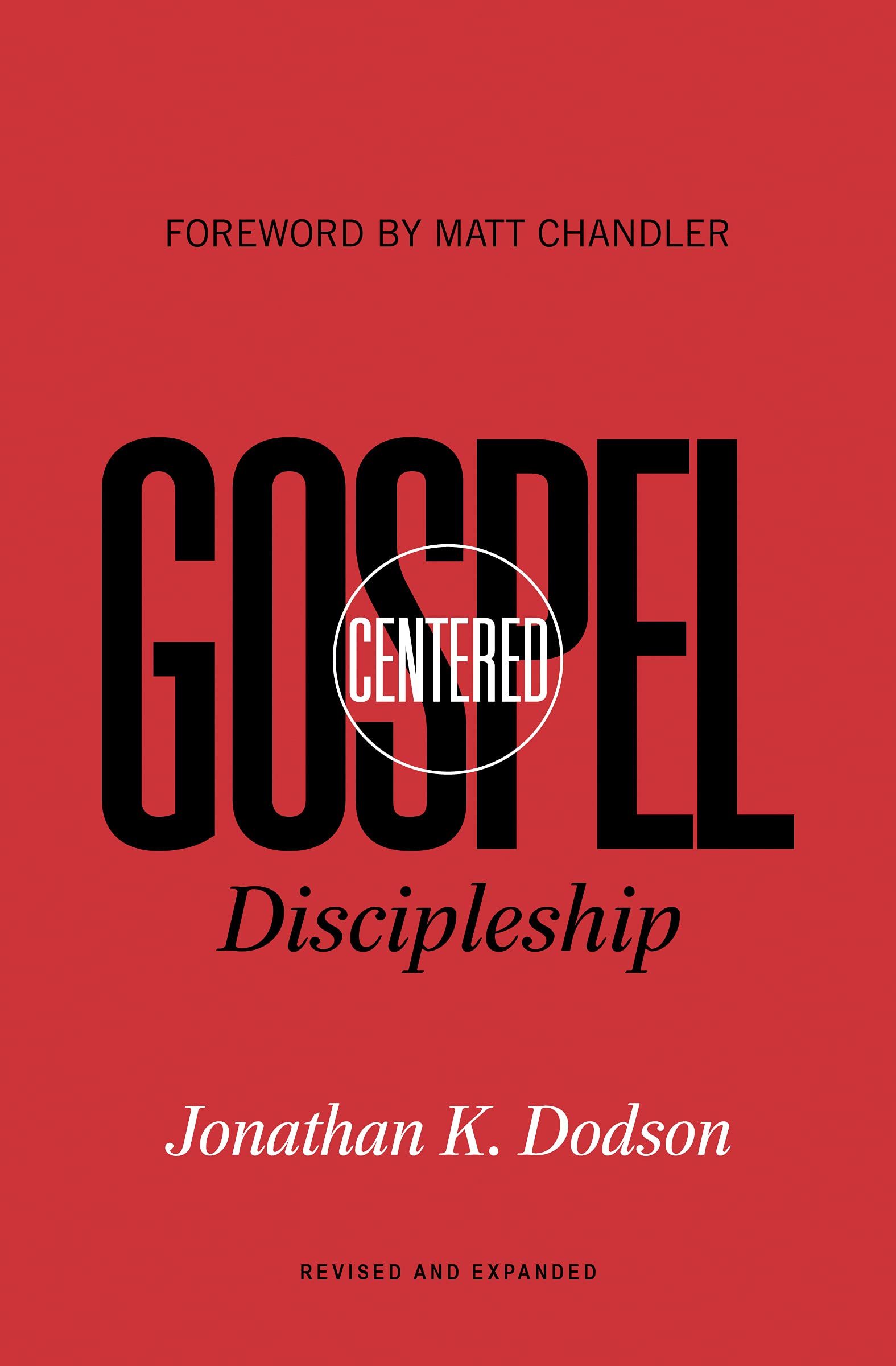
Gospel-Centered Discipleship: Revised and Expanded: Dodson, Jonathan K.: 9781433574078: Amazon.com: Books“In this tumultuous season of evangelicalism, we are in great danger of a kind of gospel amnesia―a dangerous assumption and even erosion of the precious substance of gospel-centrality. Jonathan Dodson is one of the original architects of the once-nascent gospel recovery movement and his Gospel-Centered Discipleship is a seminal text in our renewed understanding of how people change and how people grow in Christ. This new edition of such an important work can aid in our recentering and recalibrating around the amazingly powerful grace of God once again.”

Get the book here.

Runner-Up: Fruitful Theology: How the Life of the Mind Leads to the Life of the Soul by Ronni Kurtz (B&H Books)
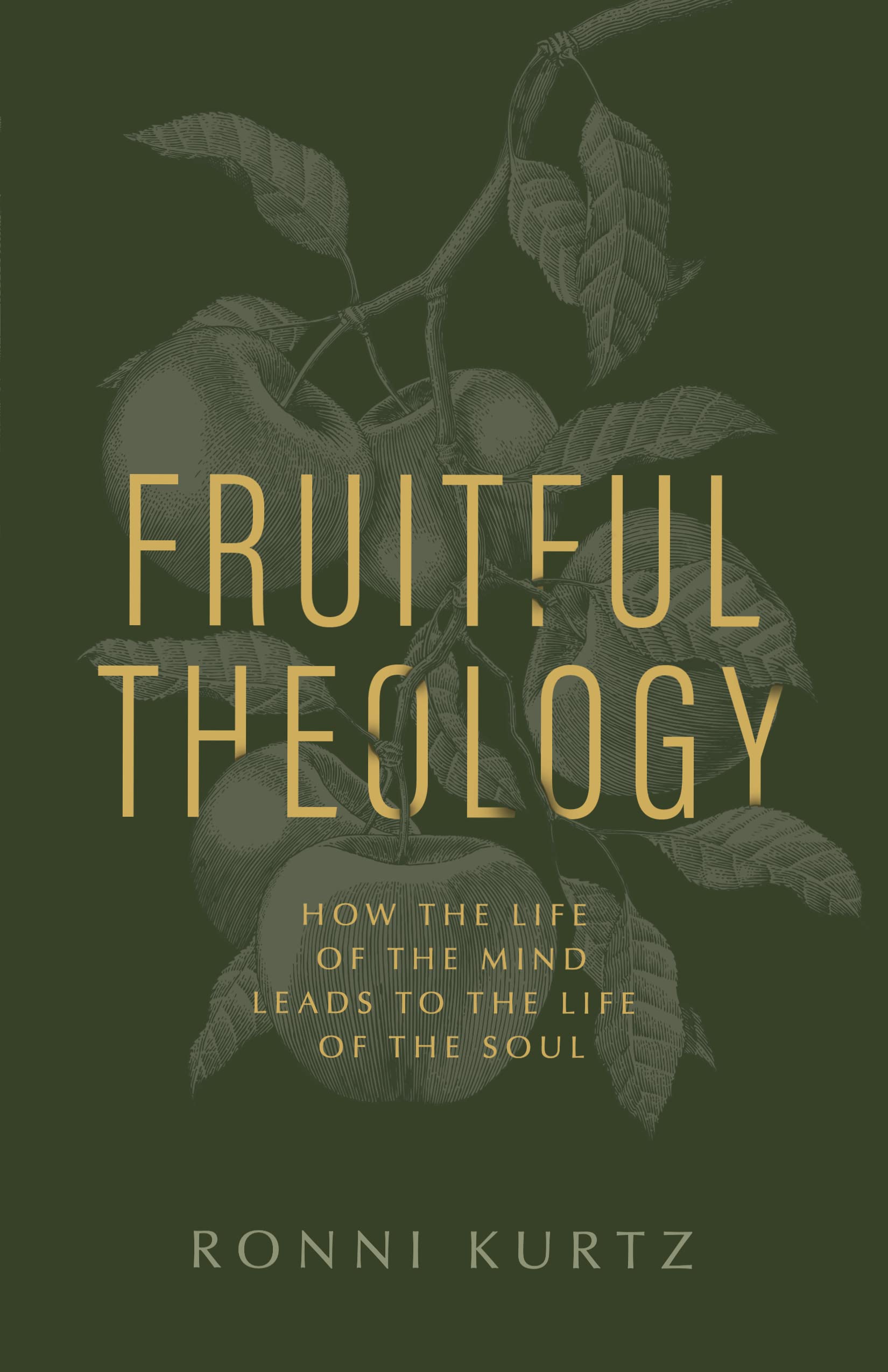
Fruitful Theology: How the Life of the Mind Leads to the Life of the Soul: Kurtz, Ronni: 9781087758770: Amazon.com: Books“Theology in abstraction is a soul-killer. So we need constant reminders to worship in both spirit and truth, to be both hearers and doers of the word, to speak the truth, yes, but in love. I’m grateful for Kurtz’s voice in calling us back to “doing theology” like Jesus himself. We can experience the meeting of the spirit and truth of Christ in our churches today, if we will take seriously the clarion call of a book like this. Ronni Kurtz has done us an absolutely Christian service in painstakingly helping us reorient our vision of holiness to the fruit of the Spirit.”

Get the book here.


Dr. Charles W. Smith, Senior Vice President for Institutional Relations; Assistant Professor of Christian Leadership, and FTC Editorial Council Member

Winner: Turnaround: The Remarkable Story of an Institutional Transformation and the 10 Essential Principles and Practices that Made It Happen by Jason K. Allen (B&H Books)
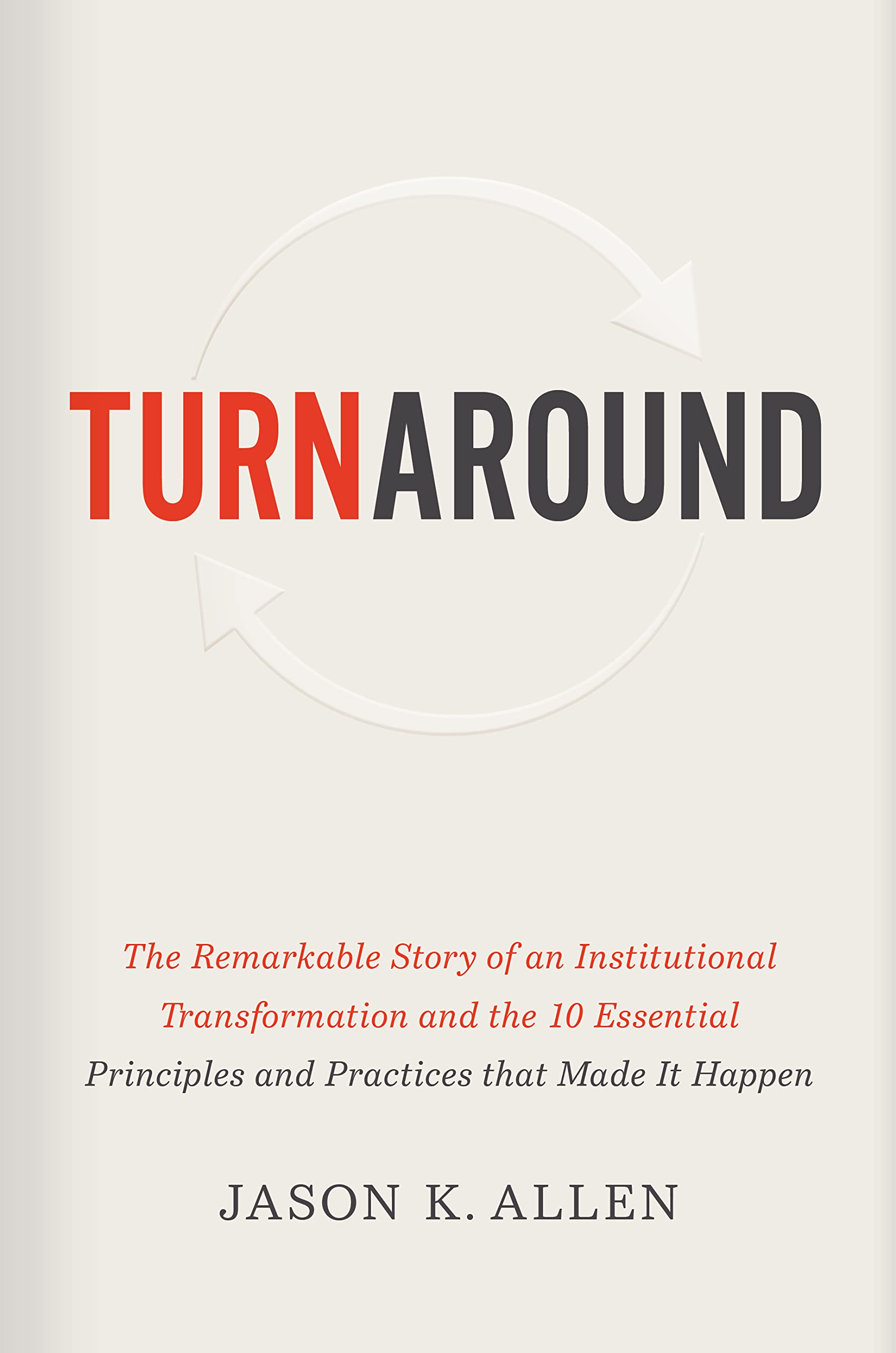
Turnaround: The Remarkable Story of an Institutional Transformation and the 10 Essential Principles and Practices that Made It Happen: Allen, Jason K.: 9781535941167: Amazon.com: Books“This is one of the most insightful leadership books I’ve read. The ten principles outlined in Turnaround can be used to strengthen virtually any organization. I highly recommend it.”

Get the book here.

Runner-Up: Forgive: Why Should I and How Can I? by Tim Keller (Viking)
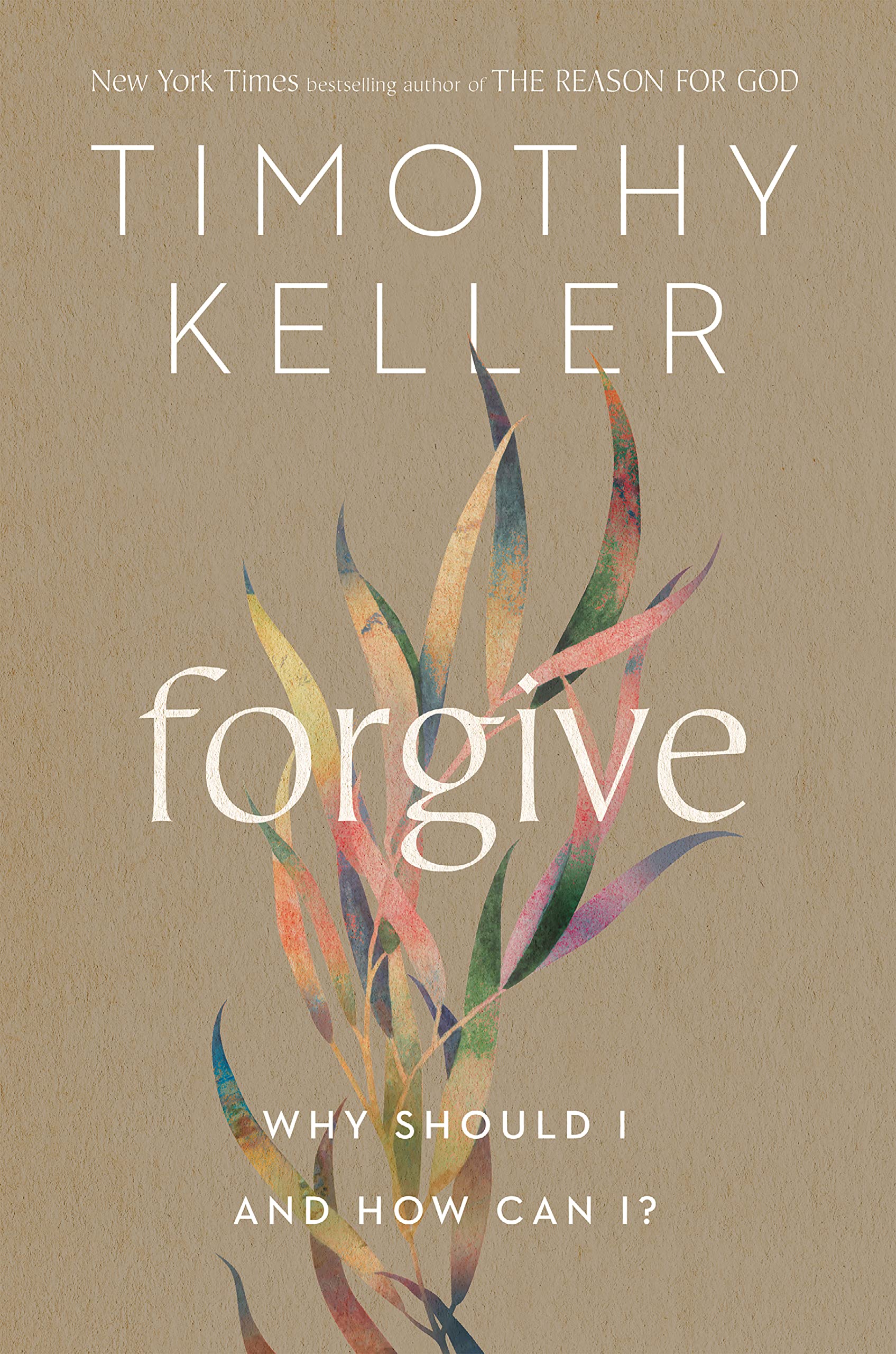
Forgive: Why Should I and How Can I?: Keller, Tim: 978 0525560746: Amazon.com: Books“Forgiveness is one of the easiest things to say and hardest things to do. And yet, in this timely work, Keller reminds us that our families, churches, and communities simply cannot function without a means to recognize shortcomings and restore relationships.”

Get the book here.


Dr. John Mark Yeats, Dean of Students and Student Success, Professor of Church History, and FTC Editorial Council Member

Winner: Be Thou My Vision: A Liturgy for Daily Worship by Jonathan Gibson (Crossway)
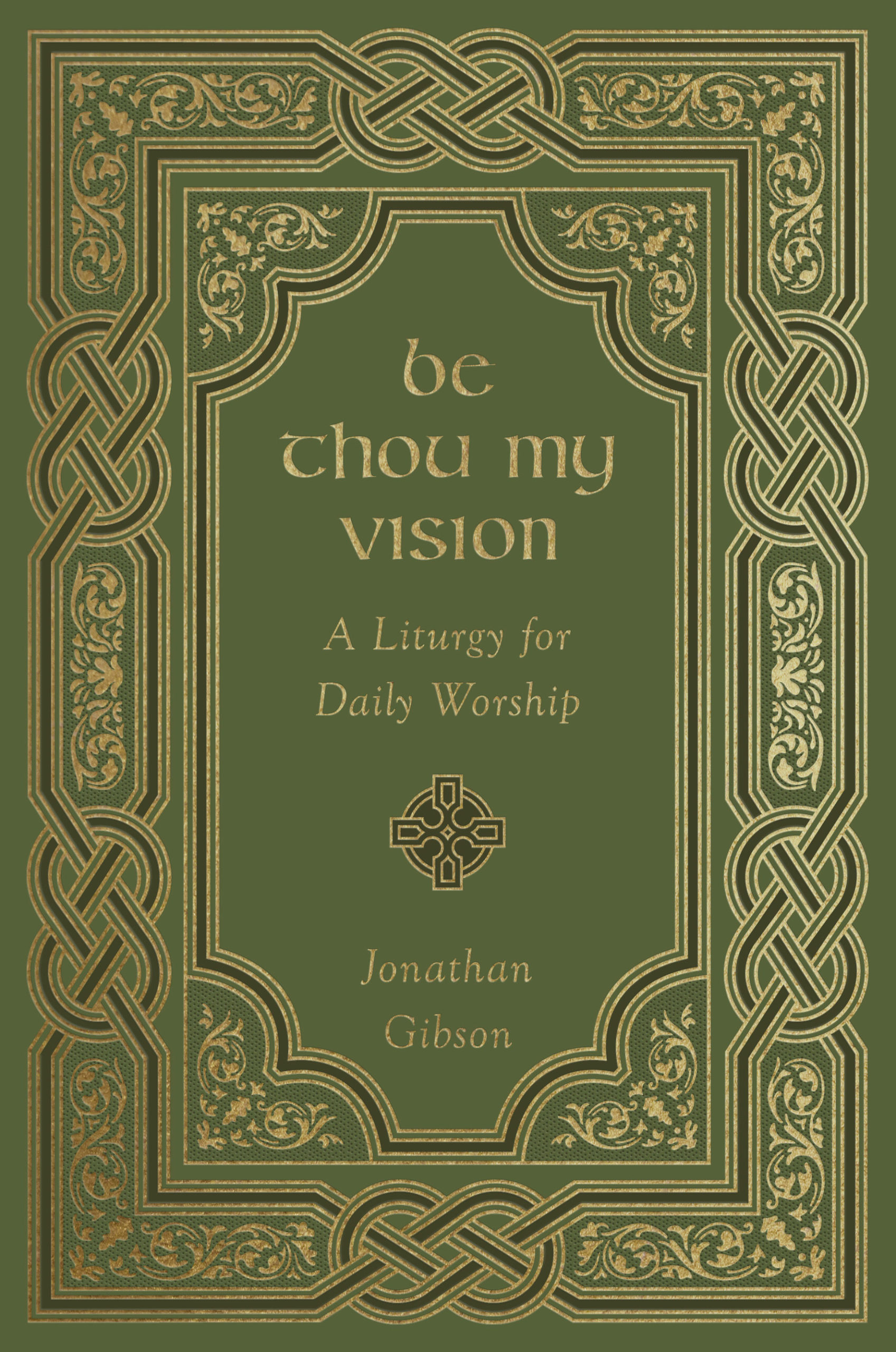
Be Thou My Vision: A Liturgy for Daily Worship: Gibson, Jonathan: 9781433578199: Amazon.com: Books“A daily time of worship is essential in the growing life of the believer. This may take different shapes during the seasons of life, Gibson’s superb volume provides an excellent resource with a clear structure for daily meditation on the Word of God and the doctrine of the church. The volume is organized into 31 days with each having a formal structure that takes the reader from a Call to Worship to a Closing Prayer. Each day brings helpful suggested textual readings as well as doctrinal confession from the Apostle’s Creed, the Nicene Creed, and the Athanasian Creed. Additionally, M’Cheyne’s Bible Reading Plan and questions from the Westminster Shorter Catechism are provided for the worshiper. Released in January of 2022, this volume has been my constant companion for my devotional life this year and I highly recommend it as means to go deeper in your walk with Christ.”

Get the book here.

Runner-Up: Biblical Critical Theory: How the Bible’s Unfolding Story Makes Sense of Modern Life and Culture by Christopher Watkin (Zondervan Academic)
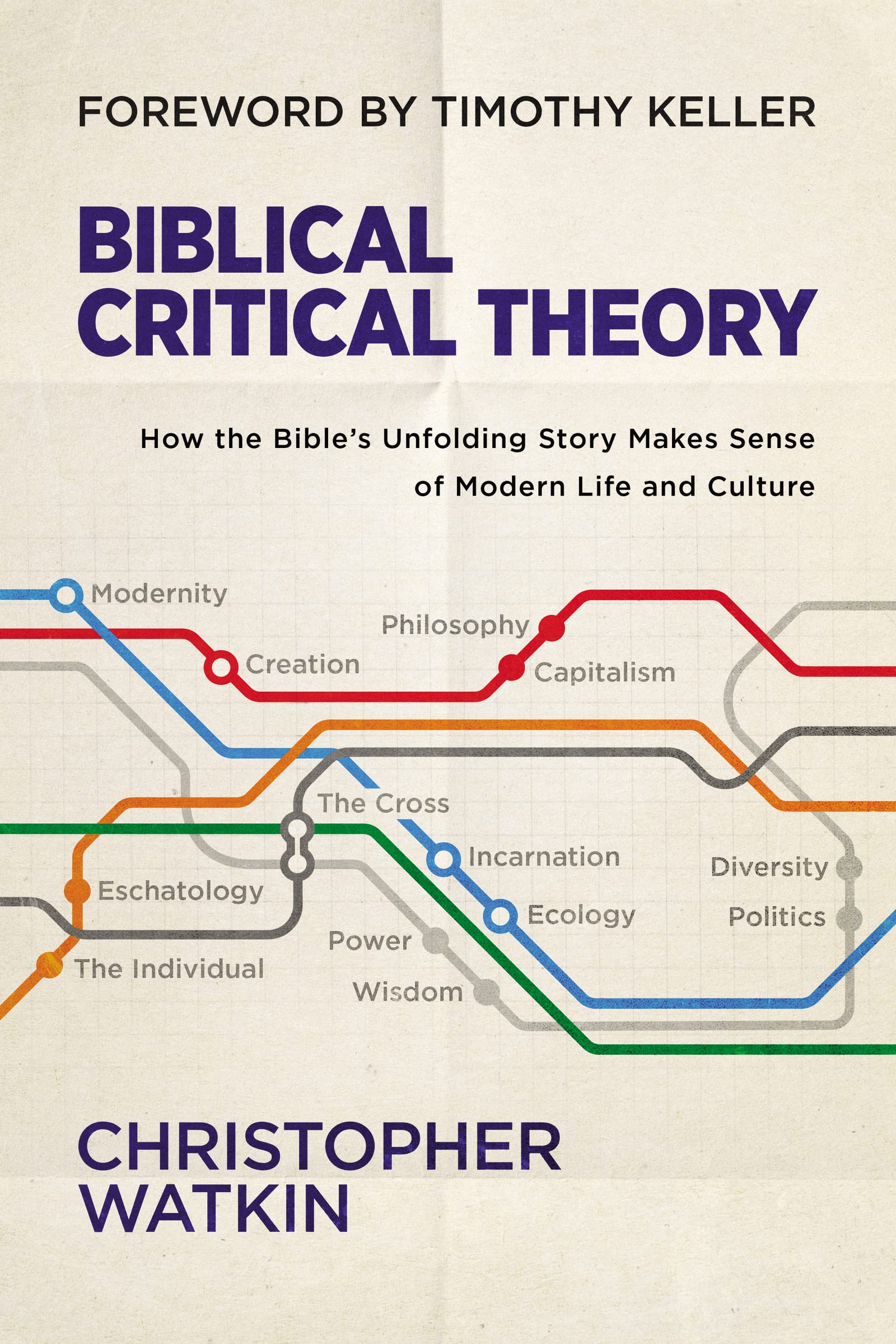
Biblical Critical Theory: How the Bible's Unfolding Story Makes Sense of Modern Life and Culture: Watkin, Christopher: Amazon.com: Books“The politicization of our culture is no surprise to anyone. As Christians seek to helpfully engage the culture, Watkin reminds the believer that our authority is the Word of God and not our cultural moment. Accordingly, Watkin helps believer look for the biblical “diagonalization” – the place where the Word of God transcends the polarities of culture – so we can see the better, more God-honoring way that supplants both extremes. For pilgrims wondering how to walk with boldness in the midst of today’s craziness, this is a fantastic volume that deserves to be read.”

Get the book here.


Lucas Hahn, Director of Marketing and Content Strategy and Managing Editor of For the Church

Winner: Beautiful People Don’t Just Happen: How God Redeems Regret, Hurt, and Fear in the Making of Better Humans by Scott Sauls (Zondervan)
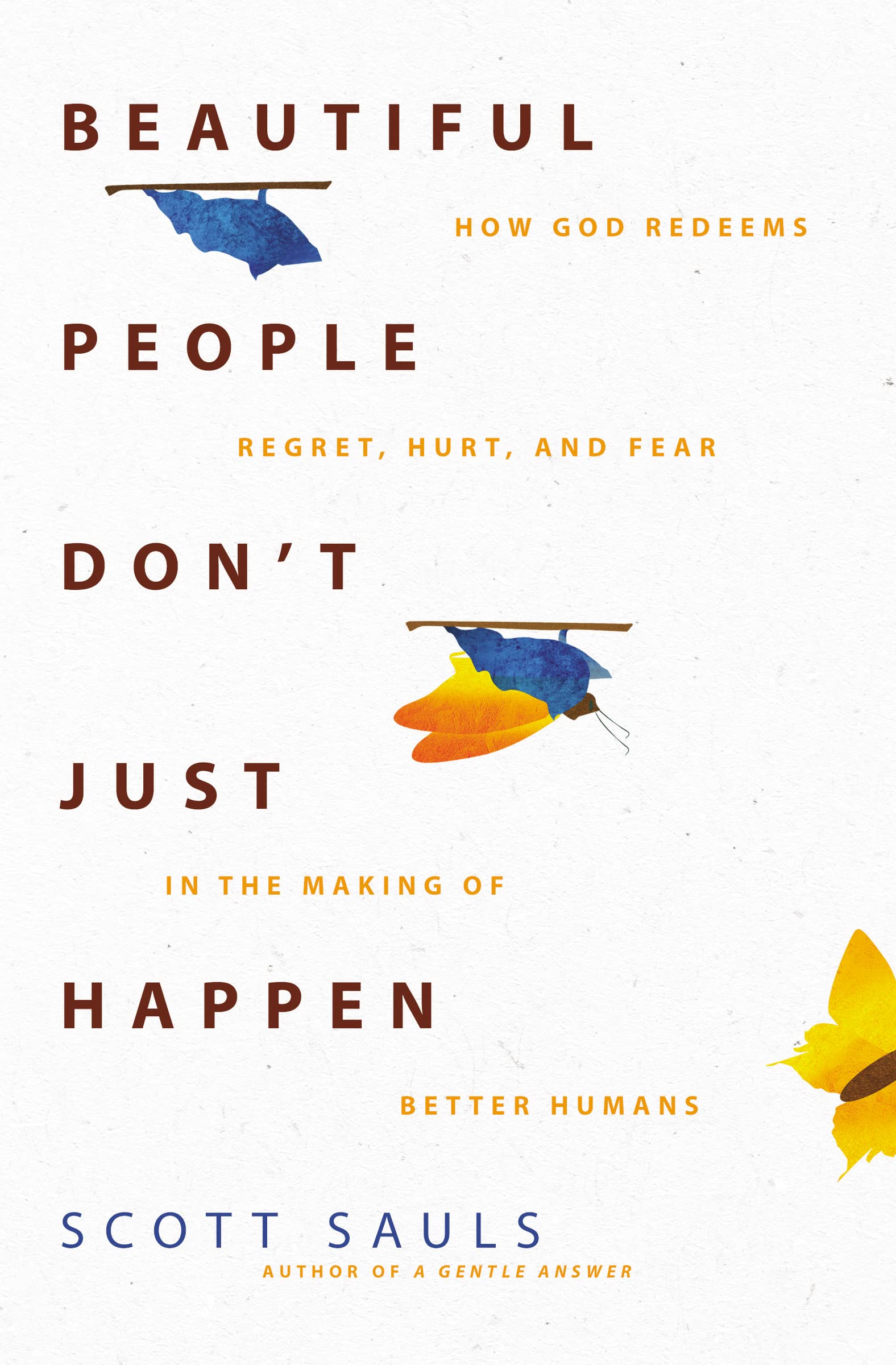
Beautiful People Don’t Just Happen: How God Redeems Regret, Hurt, and Fear in the Making of Better Humans: Sauls, Scott: 0310363446: Amazon.com: Books“In Beautiful People Don’t Just Happen, author Scott Sauls provides a compelling and practical outline for how to rightly align the pains of the flesh—regret, hurt, and shame—in the pursuit of ‘the secret of contentment.’ With a clear picture of the Gospel and its impact on the Christian life, Sauls uses personal experiences and Gospel truths to encourage and equip Christians to understand the redemptive work of Christ in our lives.”

Get the book here.

Runner-Up: The Loveliest Place: The Beauty and Glory of the Church by Dustin Benge  (Crossway)

The Loveliest Place: The Beauty and Glory of the Church: Benge, Dustin: 1433574948: Amazon.com: Books“In a time when the Church has been ridiculed and denigrated, Dustin Benge’s The Loveliest Place lifts the church above the opinion of the world by unpacking how God views the church. With rich theological truth and personal storytelling, Benge inspires the reader to reorient their heart so that ‘by beholding such radiant beauty and loveliness’ we may ‘lift our collective and worshipful cry, ‘Indeed, the church is the loveliest place on earth.’”

Get the book here.


Brett Fredenberg, Associate Editor at For the Church

Winner: The Existence and Attributes of God: Updated and Unabridged by Stephen Charnock (Crossway)
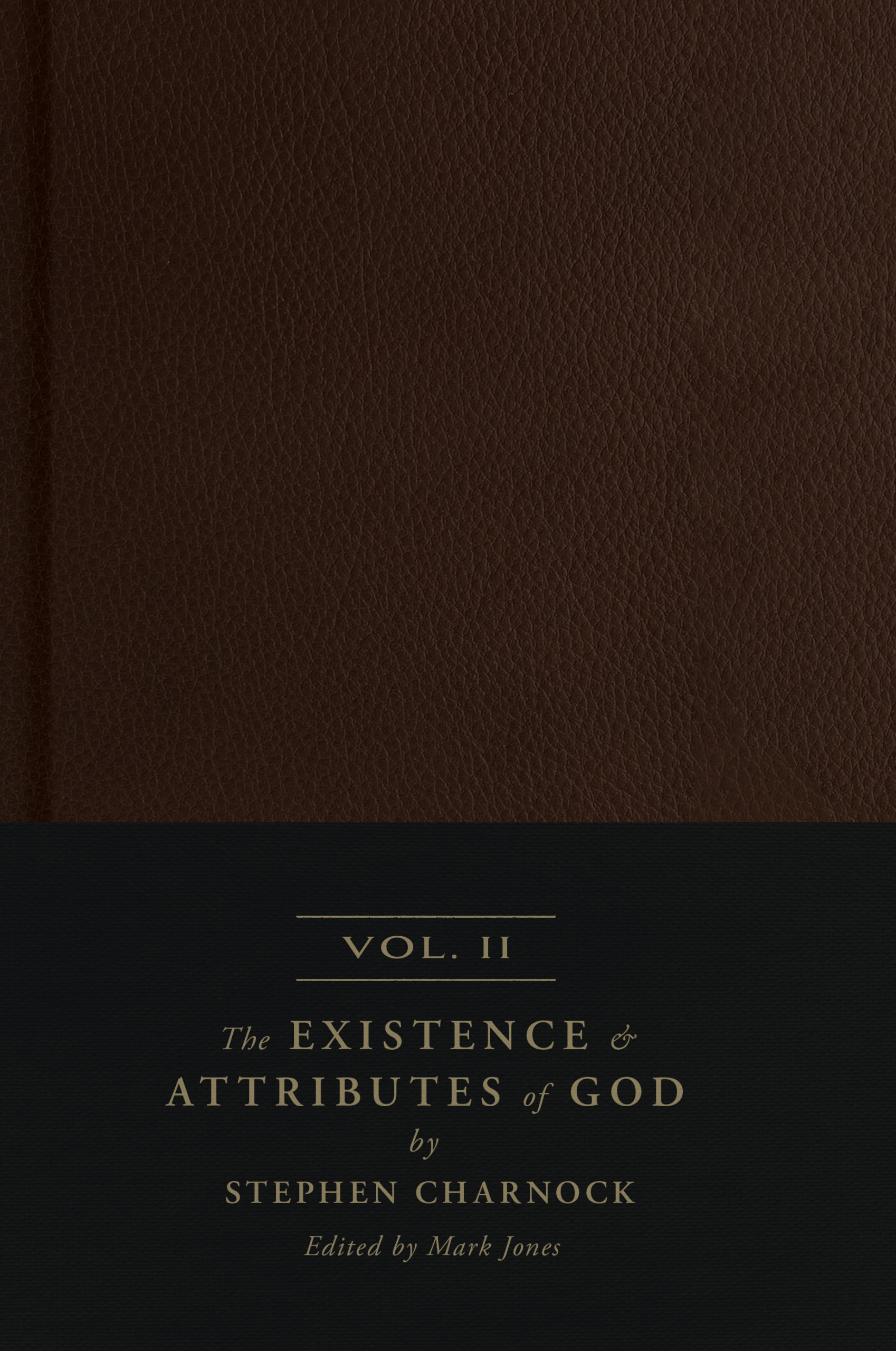
The Existence and Attributes of God: Updated and Unabridged: Charnock, Stephen: 9781433565908: Amazon.com: Books“Crossway’s republishing of Stephen Charnock’s Existence and Attributes of God this year gave me the opportunity to read through this massive theological work for the first time. What I found was not only theological expertise, but devotional insight applied with pastoral care and wisdom. After describing each attribute in detail, Charnock shows how a failure to uphold the attribute can lead to a host of vices in one’s life. He applies theology in such a way as to lead me to prayer and gratitude to God for who He is in Himself. If you don’t have time to read through the whole treatise (though I’d highly recommend it!), I’d suggest starting with the section on the goodness of God – it’s truly awe-inspiring. In the new publication, the added chapter summaries and updated language is yet another reason that make this my favorite publication and book of the year. It’s one of the most helpful theology books I’ve ever read.”

Get the book here.

Runner-up: God Shines Forth: How the Nature of God Shapes and Drives the Mission of the Church by Michael Reeves (Crossway)
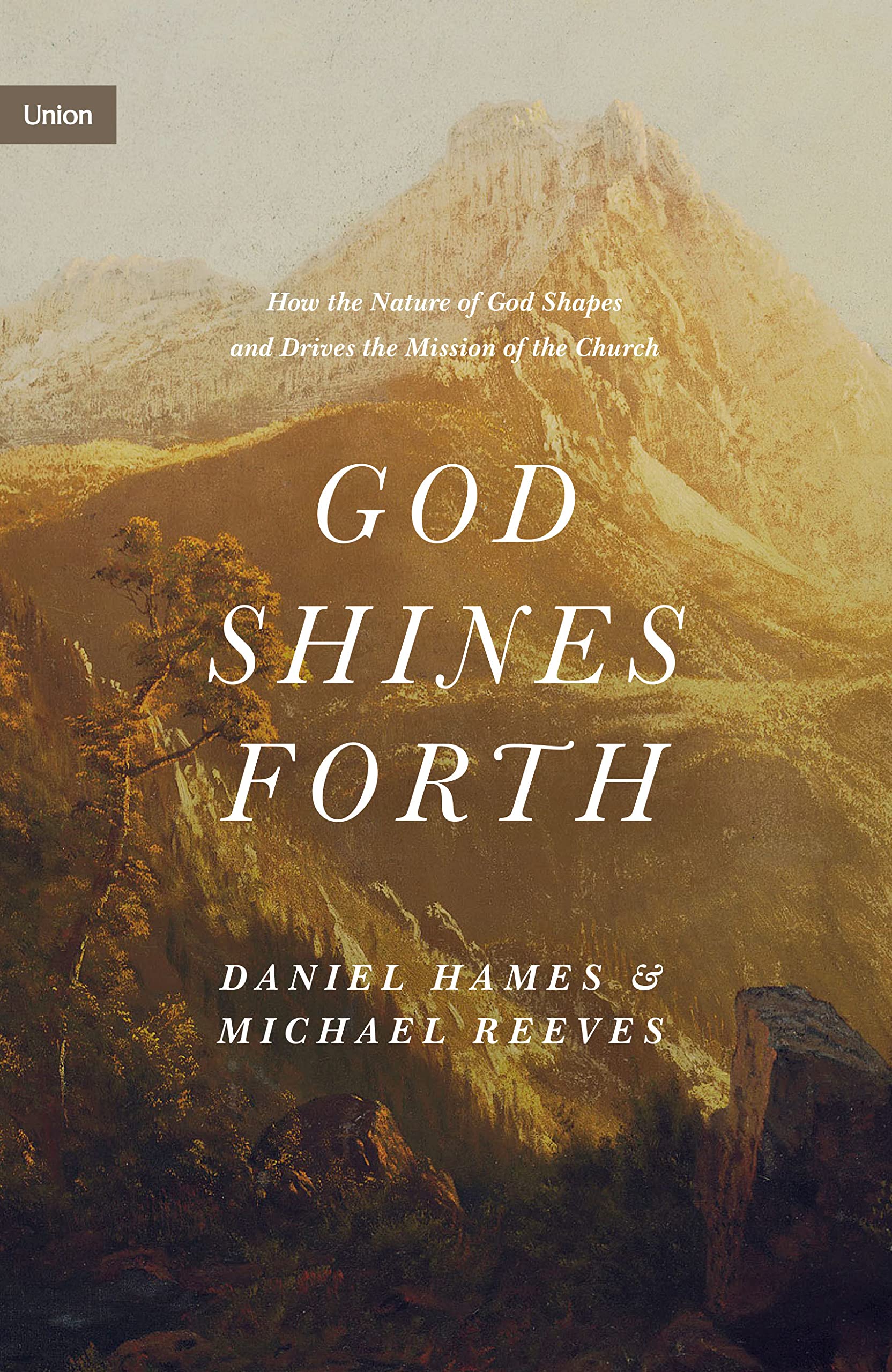
God Shines Forth: How the Nature of God Shapes and Drives the Mission of the Church: Reeves, Michael: 9781433575143: Amazon.com: Books“Missions books today are a dime a dozen, but not all missions books are created equal. In God Shines Forth, Michael Reeves and Daniel Hames develop the theme that delighting in God is both the fuel and fruit of biblical mission. In the missionary task, Christians are meant to reflect the glory of God in their expressions of joy and delight in Him. Anything less borders on misrepresenting God. This treatment on missions encapsulates a more holistic approach to the Great Commission. Not only should our delight in the Lord drive us to missions, but God’s delight in Himself as Trinity should cultivate a more compelling reason to go than what has traditionally been offered – guilt trips and shame filled tactics were never sufficient. Rather, as they write, ‘Happy mission presupposes happy Christians.’ To the extent that we grow in our delight in God, we will grow to reflect his heart of pouring out for the sake of others.”

Get the book here.


Grace PikeAssociate Editor at For the Church

Winner: Beautiful People Don’t Just Happen: How God Redeems Regret, Hurt, and Fear in the Making of Better Humans by Scott Sauls (Zondervan)

Beautiful People Don’t Just Happen: How God Redeems Regret, Hurt, and Fear in the Making of Better Humans: Sauls, Scott: 0310363446: Amazon.com: BooksBeautiful People Don’t Just Happen gently lifts the eyes of the weary to “the Father of mercies and God of all comfort, who comforts us in all our affliction.” By embracing God’s sovereignty over brokenness, Sauls provides a compassionate, truth-filled answer to those pondering the meaning of life in light of suffering. For the “wounded healers” of the world—those on the frontlines holding the heartbroken while trying to tend to our own souls—this book will serve as a healing balm and encouragement to keep going. In a world that values strength, self-advancement, and quick success, Sauls reinforces the value God places upon “compassion, gentleness, and deep loving concern;” and calls us to do the same.”

Get the book here.

Runner-Up: Forgive: Why Should I and How Can I? by Tim Keller (Viking)

Forgive: Why Should I and How Can I?: Keller, Tim: 978 0525560746: Amazon.com: Books“Keller’s Forgive: Why Should I and How Can I? provides a Scriptural definition of forgiveness and teaches believers how to extend it as the Father does to us. Keller carefully examines the relationship between revenge, justice, forgiveness, and reconciliation in light of God’s holiness while also acknowledging the pitfalls of worldly misconceptions about forgiveness. In addition to his wise theological assessment, Keller also encourages practical steps for believers to trust Christ’s work on the cross as they seek unity in love.”

Get the book here.


Grace SuttonAssociate Editor at For the Church

Winner: Bully Pulpit: Confronting the Problem of Spiritual Abuse in the Church by Michael J. Kruger (Zondervan)
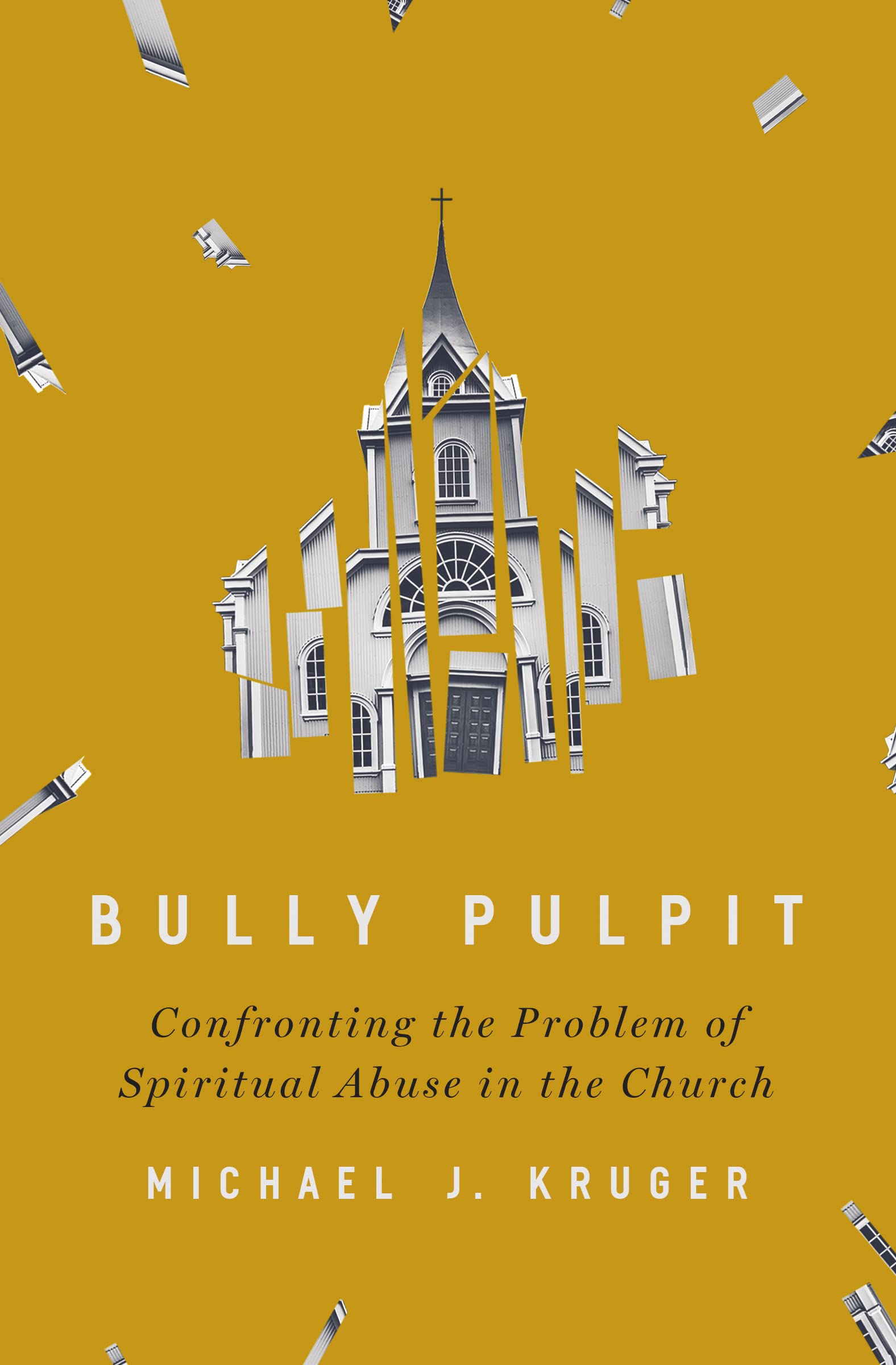
Bully Pulpit: Confronting the Problem of Spiritual Abuse in the Church: Kruger, Michael J.: Amazon.com: Books“Tackling a topic that can easily make readers give up on the church, Dr. Kruger practically identifies the causes, symptoms, and cures of spiritual abuse so his readers can know what it is (and isn’t) in order to thrive in Christian community. Whether you have experienced spiritual abuse, been unfairly accused of it, inflicted it, or none of the above, this book is for you. Kruger’s research and “perch” from theological education shines a light on a subject Christians should see to better help their congregations and pastors.”

Get the book here.

Runner-Up: Jesus Through the Eyes of Women: How the First Female Disciples Help Us Know and Love the Lord by Rebecca McLaughlin  (The Gospel Coalition)
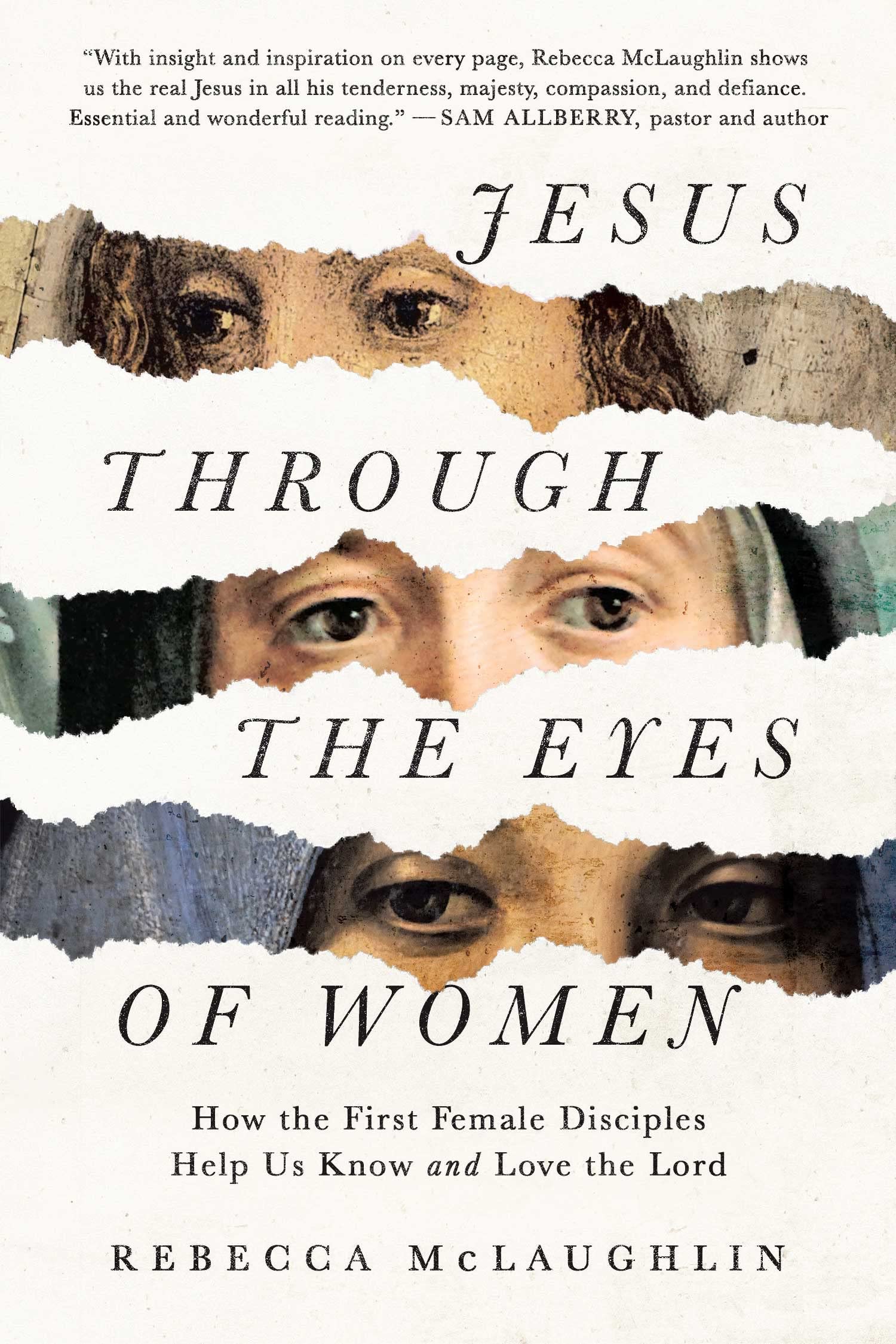
Jesus Through the Eyes of Women: How the First Female Disciples Help Us Know and Love the Lord: McLaughlin, Rebecca: 1956593075: Amazon.com: Books“It’s unfortunately common for women to wonder how they “fit” in Christianity. Jesus Through the Eyes of Women reminds us that women are vital to the Good News by insightfully collecting the interactions between Jesus and women in the four canonical gospels. This is an excellent individual or group reading experience, with discussion topics at the end of each chapter. McLaughlin can address the skeptic on why the witnesses of the four gospels matter, remind the Christian who Jesus is, and reinvigorate all to cherish the God who values all peoples and genders for His glory and His plan.”

Get the book here.


Joseph Lanier, Manager, Sword & Trowel Bookstore and Tomlinson Cafe

Winner: Biblical Reasoning: Christological and Trinitarian Rules for Exegesis by R.B. Jamieson and Tyler R. Wittman (Baker Academic)
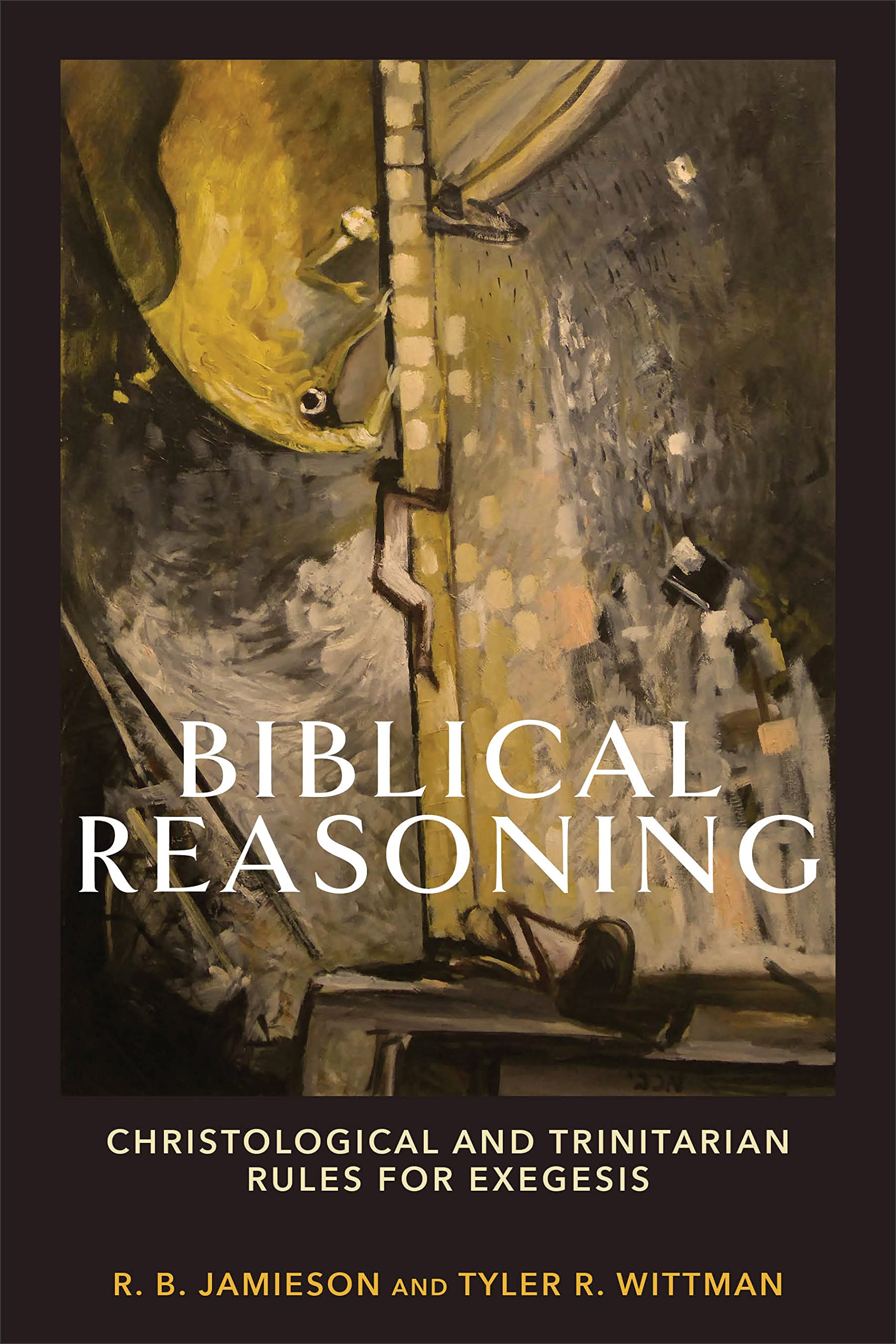
Biblical Reasoning: Christological and Trinitarian Rules for Exegesis:Jameison, R.B., Wittman, Tyler R.: 1540964670: Amazon.com: BooksBiblical Reasoning demonstrates the primary importance of the Holy Trinity and Christology in biblical exegesis by giving theological principles and rules for exegesis of Christian Scripture. The Holy Trinity is the true subject matter of the Holy Scriptures such that work of apprehending knowledge of Him and His works should be determined by who He is in Himself. From inseparable operations to partitive exegesis to the beatific vision, the goal of biblical reasoning is the goal of Scripture itself: to shape readers into disciples who pursue the vision of the triune God in Christ. We should pray, then, like Anselm: ‘May I receive what You promise through Your truth so that my joy may be complete.’”

Get the book here.

Runner-up: Overcoming Apathy: Gospel Hope for Those Who Struggle to Care by Uche Anizor (Crossway)

Overcoming Apathy: Gospel Hope for Those Who Struggle to Care: Anizor, Uche: 9781433578809: Amazon.com: Books

“Anizor’s Overcoming Apathy is an insightful and careful analysis of the ‘sickness of the soul.’ He demonstrates the pervasive culture of apathy in our “Seinfeldian society” and distinguishes it from depression, despondency, and dry spells. In a pastoral manner, Anizor presents seven causes of apathy that are paired with seven biblical ways to combat apathy. Ultimately, Anizor explores how God, as our great reward and satisfier of all our needs, is the ongoing cure for apathy.”

Get the book here.


Once again, we would like to extend a congratulations to the authors and publishers represented in the 2022 For the Church Book Awards. You can view previous winners of the FTC Book Awards here: 2021, 2020, 2019, 2018, 2017.



Finding Important What Jesus Finds Important

What’s important to Jesus?

This is the question I asked recently at a men’s breakfast in my church. The men willingly offered a variety of solid biblical answers: the church, love, truth, individual Christians, evangelism, prayer, outcasts, and a host of other answers.

In the days leading up to this event I had been reading through Matthew’s Gospel in my personal daily readings. As I did so, I was struck by two things that appear important to Jesus in Matthew 22–23. It seems to me, from these chapters that it is important to Jesus to know the Scriptures and live with integrity.

Know the Scriptures

In Matthew 22:23–33 we have recorded for us the discussion between Jesus and the Sadducees concerning the resurrection. The Sadducees—a Jewish religious group—did not believe in the resurrection and so they concoct a ludicrous scenario in which one woman is married to seven brothers, one after another as each passes away. “In the resurrection,” they ask, “whose wife will she be?” (v. 28). Jesus responds by telling them they are “wrong, because you know neither the Scriptures nor the power of God” (v. 29). Jesus takes issue with them because they do not know the Scriptures.

There are two aspects to Jesus’s answer. First, the Sadducees do not know the Scriptures. Second, they do not know the power of God. These two aspects are interrelated, however. Consider Paul’s declaration in Romans: “For I am not ashamed of the gospel, for it is the power of God for salvation” (1:16). Scripture and power are closely related—one cannot fully be experienced without the other.

Evidently Jesus sees knowing the Scriptures as important. But knowledge is not the only thing Jesus considers important.

Live with Integrity

In Matthew 23 Jesus turns his attention to a couple of other Jewish religious groups: the Pharisees and Scribes. Here Jesus delivers what could be considered the anti-beatitudes as he pronounces seven woes. While the beatitudes are declarations of divine favor, these woes are prophetic pronouncements of judgement.

Jesus’s primary criticism of these two groups is that they do not practice what they preach (23:3). In fact, six times he labels them hypocrites in these seven woes (vv. 13, 15, 23, 25, 27, 29). The Pharisees and Scribes are two-faced, pretenders, demanding more of their hearers than they expect of themselves. In short, their life didn’t match their doctrine.

It is clearly important to Jesus that people live with integrity. Belief must match behavior; doctrine should align with deeds.

Compassionately Demanded

According to what Matthew has recorded in his Gospel, Jesus sees at least two things as important: knowing the Scriptures and living with integrity. More, he not only sees them as important but demands them of his followers. After all, what is recorded in Scripture is there for our benefit (cf. Rom. 4:23–24). If we are to find important what Jesus finds important we must know the Scriptures and live with integrity.

Jesus doesn’t demand these things from us like a stern teacher, beckoning us towards him with a single finger. Rather, Jesus is more like a caring friend who places his arm around our shoulder and encourages us onwards by pointing the way. Knowing the Scriptures and living with integrity is compassionately demanded of us by our Savior. But this makes them no less urgent and important—it makes them more so, because they are two important ways in which we evidence the change that Jesus has brought about in our lives.

May we, with the encouragement of Christ, ever grow in knowing the Scriptures and living with integrity. Let us find important what Jesus finds important.


Looking Up after Loss: Learning from the Prophet Anna

It must’ve been a day like any other day as she trodded the dusty Jerusalem streets. The sun might have peeked around the corner of the stone walls just the same, with the smoke of sacrifices transported by the air, and conversations humming in the courtyard while business haggled in the streets.

But it didn’t matter what the day was like. Regardless, the prophet Anna would make her way to the temple again, and again, and again. Luke said it was almost as if she never left her worship, “with fasting and prayer night and day” (Luke 2:37).

Luke gives us only a few sentences about Anna’s life (Luke 2:36-38). Did she amount to anything more than her time at the temple? If we met her in real life today, we’d probably forget about her tomorrow. Widowed for over fifty years with no children and little material fortune makes her an unlikely portrait preserved in history.

Though she may appear forgettable, her lifetime saw unforgettable suffering. In her research, Rebecca McLaughlin notes that Anna would’ve watched the tables turn in Jewish history: “At 84, she was born at a time when the Jews were self-governing, lived through the prosperous reign of Queen Salome Alexandra, and saw the crushing end of Jewish sovereignty when the Romans took over in 63 BC.” [1]

Did she see the devastation of her nation’s autonomy firsthand? Did she live with gruesome memories of the Roman occupation? Did her loved ones die in battle or siege? How did her husband die, and did she lose her livelihood with him? We can only imagine how these events shaped Anna by the time we meet her in Luke’s account.

Even if we are not widowed, or childless, or citizens of the Roman Empire, Anna’s story is woven in ours. Do you feel like your world has crumbled? Are you oppressed by human authorities? Have you lost a loved one? Or never gotten what society expected you to have, such as marriage, or children, or the American dream? 

So much of Anna’s story amounts to her loss. An empty widow’s home made the temple her abode. Lack of a family led her to practically live in the Lord’s house. Ironically, even the temple where she worshipped was a reminder of her people’s lost freedom, as it is known today as Herod’s Temple, expanded by the “client king” of Rome.[2]

What strikes me about Anna is that even though her life was constructed by her loss, she was not paralyzed or blinded by it.

My tendency is to recoil from a world that takes things away from me. I would hide for days with my face in my lap if I could. Anna didn’t—she looked up. And one day, she saw Christ.

What if Anna stayed away from the temple that day? Or turned her nose up at God who blessed and took away, instead of turning to him and his people? She would have missed seeing her salvation, carried by a teenage mother up the temple steps. She would’ve missed Jesus.

If we look too long on what we’ve lost, we can become blindfolded to the salvation right in front of us.

We can look at loss for a while and mourn, as we often should. Grief is no blindfold, but an eye prescription that sees all is not as it should be.

It wouldn’t have been wrong for Anna to grieve her losses. Even though we have no account of her doing so, it’s hard to imagine she wasn’t above sorrow or weeping over what she would never have or get back. Jesus himself is described as being “acquainted with grief,” and we reflect him when we lament good things that never were or are no more (Isaiah 53:3).

But despair looks too long at loss and locks us in its den. There is no light at the end of the tunnel of the despair, which implies that there is no one and nothing left, and this couldn’t be further from the truth. In their saddest psalms, the psalmists could see their salvation like a light at the end of a dark tunnel (Psalm 42-43, 88:1). Even when they felt hopeless, they could see glimmers of hope in the darkness. By the power of the Holy Spirit, we can, too. Christians abound in hope, even if we abound in nothing else (Romans 15:13).

I write this knowing that despair can be easier to believe some days than this truth. I can’t deny that I have cried in the night, clung to the darkness, and scowled at church on Sundays, wondering, “God, why did you take it, or him, or her away?” Maybe you’ve done this, too.

Anna’s story teaches us, however, that day, after day, after day, no matter how much we lose, we will have God.

And we will see him, as he raises our heads to look up at him.

Look up. Don’t miss him.

Surely, we will “look upon the goodness of the Lord in the land of the living” (Psalm 27:13).

[1] Rebecca McLaughlin, Jesus Through the Eyes of Women: How the First Female Disciples Help Us Know and Love the Lord (Austin, TX: The Gospel Coalition, 2022), 43-44.

[2] Andreas J. Köstenberger, L. Scott Kellum, and Charles L. Quarles, The Lion and the Lamb: New Testament Essentials from The Cradle, the Cross, and the Crown (Nashville: B&H Publishing, 2012), 27.


Who Will Walk These Streets?

As the nights darkness caves in, your feet tread the dusty, narrow, corridor-streets
High cement walls nestle your traveled bones; enclosing you completely into the dense life surrounding you
Heavy doors rest half open, handles of all different designs worn from overuse
Windows sit like eyes, wide-open, waiting
Waiting for someone, something, to bring forth a light to illuminate the darkness
Voices simmer, cats scatter, and bread is broken, but the air remains weighty
Every home holds souls, blindly sleeping to the eternal wrath awaiting them
Despite the soft light spilling through the cracks, darkness echoes and light is void
But
Your feet are walking these streets
An everlasting flame rips brightly through your soul, only concealed by skin and bones
Tears sting your eyes as Hope wells, though sin abounds, Grace abounding all the more
And suddenly, you’re looking into the heavy eyes of a void heart, begging the Father to wake the unaware, sleeping soul
Your lips part and the breeze softens
The night air stands still
And a name is whispered among the voices
Jesus.
A small light strikes the black night
The darkness trembles
For the first murmur of truth has brushed the concrete rooftops
And your feet that were made for walking
O how beautiful they are
The feet of those who bring good news.

Family of Christ, what kind of people will we be? Those that actively pursue the lost or those that passively stand by? Be careful not to forget the millions of souls, now as we read, waiting to be breached with the Gospel. We are the Church, the weak vessels privileged to be used by our mighty God! Let us call to mind Jesus’ exhortation to his disciples in John 4:34-35, “My food is to do the will of him who sent me and to accomplish his work. Do you not say, ‘There are yet four months, then comes the harvest’? Look, I tell you, lift up your eyes, and see that the fields are white for harvest…”

I pray this simple poem, written in an unreached village of North Africa, where the fields are ready today for reaping, stirs your soul to labor with all zeal in making disciples of all nations.


Giving Thanks with Charles Haddon Spurgeon

“If we will only think, we shall begin to thank.”

For Charles Spurgeon, life was to be lived coram Deo, “in the presence of God.” Indeed, Spurgeon believed that “no joy is like the joy of Christ’s presence with his people.” A presence sweet enough to “[drown] every note of sorrow” and tune every heart “to the loudest notes of thankfulness.”

Spurgeon believed it was “a heavenly thing to be thankful.” After all, it was gratitude which “ought to teach us the divine object of grace.” Accordingly, he longed for his heart to burn with the “sacred flame of thankfulness.”

For the world being happy was a prerequisite to being grateful, but Spurgeon knew that “God’s people are always happy when they are grateful” to Him. In fact, Spurgeon was so certain he said, “We should be ten times more full of bliss if we were proportionately more full of thankfulness.”

For Spurgeon, living with thankfulness was an all-encompassing commitment. Whether for richer or for poorer, even in sickness and in health. Indeed, he would often remind his congregation that “you have received all you have from God the Father through Christ.” This truth made every enjoyment an avenue for God glorifying gratitude.

Thus, in all “our eating, our drinking,” and “social meetings” Spurgeon claimed “we should give thanks unto God the Father.” The same “Father of Lights” from whom all blessings did, and do, indeed flow.

But gracious gratitude was not to be limited by the circumstances of this life. To make his point Spurgeon reminded his congregation of the story of a poor “godly preacher,” who one evening could only offer his children a dinner consisting of “a potato and a herring.” Nonetheless, the preacher “thanked God that he had ransacked sea and land to find food for his children.” Truly, the God who fed the sparrows and the ravens would not forget his people.

Indeed, while God’s temporal provision was a sweet blessing, his eternal provision of salvation through Jesus Christ was beyond comparison. Even after pastoring for many years, Spurgeon still marveled that “God should condescend to make a covenant with man, and ordain faith in Jesus as the great way of obtaining reconciliation.”

Spurgeon believed that the substitutionary, penal, atoning death of Christ on the cross provided Christians cause for “daily adoration and hourly thankfulness.” In Spurgeon’s view, “since Jesus has loved us so well,” it was impossible not to “give to him all that we are, and all that we have.” As a result, Spurgeon challenged his church to “let your gratitude compel you to do everything for Jesus.”

There is much in life for which to be thankful. Family, friends, food, and the changing color of the fall leaves are sweet gifts to be savoured and enjoyed. But, the best gift to be thankful for is Jesus Christ. This Thanksgiving Spurgeon would have us contemplate Christ and let Christ “flood the whole of [our] faculties” with thankfulness.

This article was previously published by The Spurgeon Library. To read this article there or learn more about resources available through the Spurgeon Library click here.