

By Mike Brooks / Dec 23
FTC.co asks Patrick Schreiner, associate professor of New Testament and biblical studies at Midwestern Seminary, “Why should Christians regularly intake the Gospels?”
Famed poet and essayist, Ralph Waldo Emerson, once said “Some books leave us free and some books make us free.” As we reflect on the year 2022 and the books published, we believe this statement could not ring more true.
As people of the Book, we know true freedom comes from Christ our King. However, many of the new releases, including those recognized below, empower and encourage Christians on how to live a life of freedom in Christ. Whether in seasons of sorrow, through the pain of hurt and regret, or in reflections on the Church, we pray these selections serve as a resource for you to pursue Christ all the more in the weeks, months, and years to come.
Like every year, we are pleased to present our readers with a few books that stuck out as exceptional from this past year. For our sixth annual For the Church book awards, members of our FTC council, editorial staff, and seminary community chose two books—a winner and a runner-up—to honor and to recommend to you for the way they impacted them personally and/or offers a significant contribution to the Church and her pursuit of a gospel-centered faith.
Congratulations to this year’s winners of the 2022 For the Church Book Awards!
Dr. Jason K. Allen, President of Midwestern Seminary and FTC Editor-in-Chief
Winner: 27 Servants of Sovereign Joy: Faithful, Flawed, and Fruitful by John Piper (Crossway)
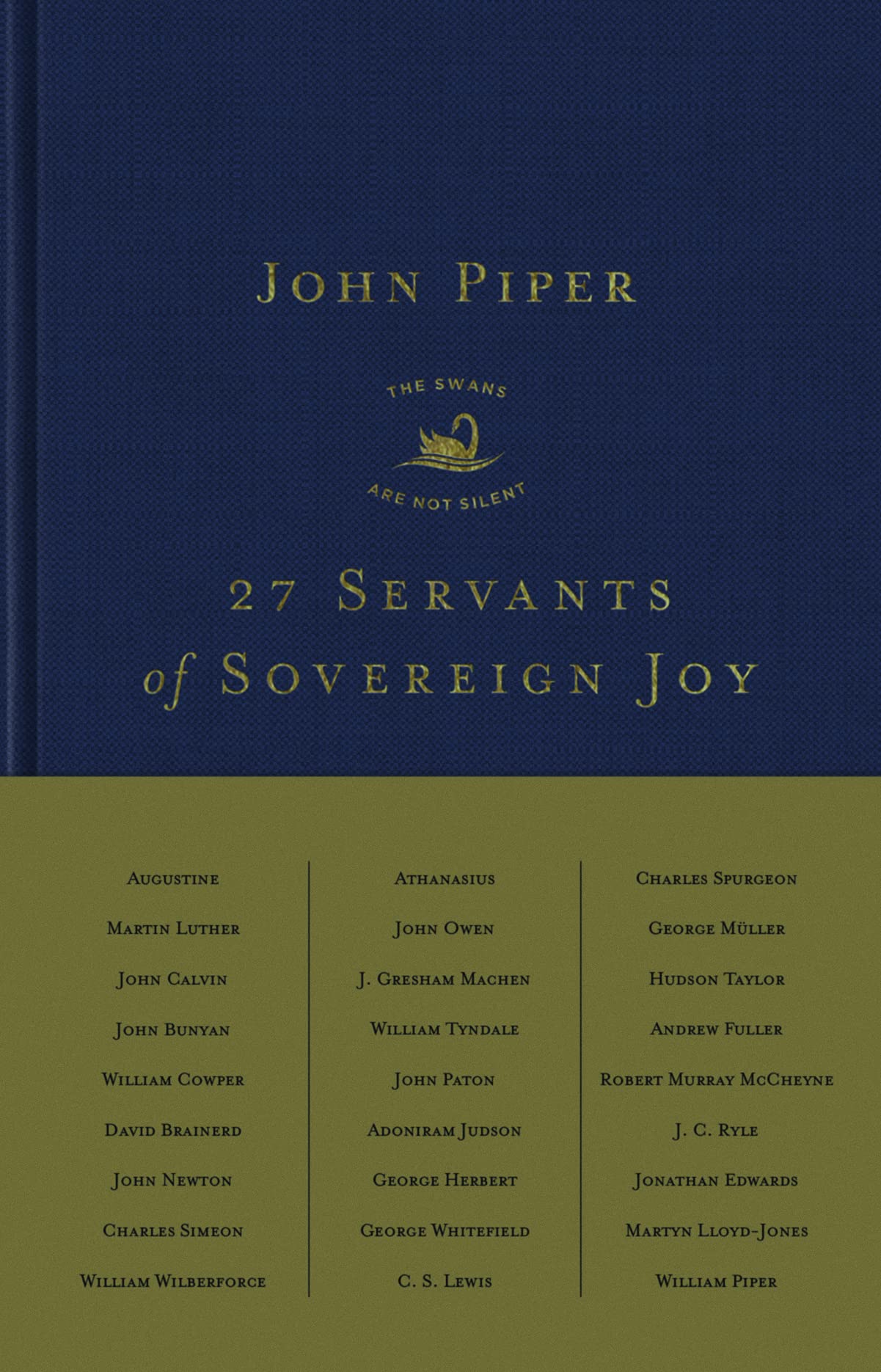 “Over the years, few books have fed my soul like the periodic installments of John Piper’s The Swans are Not Silent. Those brief, accessible biographies of Christian luminaries have at once warmed my devotion for Christ and strengthened my service for Him. That’s why I was delighted to see Piper’s 27 Servants of Sovereign Joy, which compiles that series into one rich, hefty volume.
Piper’s genius is not a simple retelling of the well-known, broad contours of the lives of Augustine, Luther, Edwards, Spurgeon, and the like. His genius is in presenting these heroes with all their weaknesses, outlining their herculean gospel-contributions, and identifying what motivated them to such extraordinary feats of Christian service.
Taken together, these combined biographies are a helpful primer in church history, but they’re much, much more than that. For the reader, each brief biography is prose and poetry, information and inspiration, edification and exhortation. And if you read this volume with an open heart, you’ll experience the full range of human emotions: gratitude, conviction, worship, renewal, and rededication.
Many years ago, I heard Piper declare that one can’t be a serious student of church history without reading Roland Bainton’s biography of Martin Luther, Here I Stand. I received his admonition and scurried to the bookstore to secure my copy of Bainton’s biography of the famed reformer. I suppose you can be a serious Christian without reading Piper’s 27 Servants of Sovereign Joy, but I’m not sure you can be a well-armed, well-edified one. And that’s why I hope you’ll now scurry to secure your copy of Piper’s 27 Servants of Sovereign Joy, and that you’ll read it with an open heart.”
Get the book here.
Runner-Up: Seasons of Sorrow: The Pain of Loss and the Comfort of God by Tim Challies (Zondervan)
 “Never have I picked up a book with my emotions as mixed as when I opened Tim Challies’ Seasons of Sorrow. For years I’ve benefited from Challies’ online content, and for nearly as long I have counted him a friend, albeit a more distant one. That’s why I agonized with him and prayed for him when, two years ago, I received the shocking news of the death of his college-aged son. That’s also why I’ve anticipated Challies’ Seasons of Sorrow, knowing that I’d benefit from reading of Challies’ dark night of the soul when he lost his son, his only son, and of the Lord’s preserving grace through it all.
I’ll confess, my mixed emotions stayed with me throughout the book. I moved through it, page by page, not as an aloof reader but as a father of five children and one who, as a pastor, knows his way around hospital rooms, funeral homes, and distraught living rooms. Throughout Seasons of Sorrow, I found myself in places desiring nothing more than to put the book down but unable to do so.
When I know a believer who is shocked in grief, I often pray that, “They’ll sense the very real ministry of the Holy Spirit in their lives.” As you read Seasons of Sorrow, you’ll see and sense such ministry of the Holy Spirit firsthand. For those who’ve experienced a traumatic loss, this book will be a spiritual salve. For those who haven’t, it’s preparatory. It will enable you to better endure your own hour of trial if in God’s perfect providence such befalls you, and it will also allow you to better minister to others in such moments of grief.”
Get the book here.
Dr. Jason G. Duesing, Provost of Midwestern Seminary and FTC Editorial Council Member
Winner: Typology-Understanding the Bible’s Promise-Shaped Patterns: How Old Testament Expectations are Fulfilled in Christ by James M. Hamilton, Jr. (Zondervan Academic)
 “Hamilton explores, defines, and teaches how we can best understand the relationship between God’s promises in the Bible and the pattern of events in the Bible that echo those promises. He argues that the biblical authors, under the inspiration of the Holy Spirit, intended to communicate through typology or promise-shaped patterns. Creatively written, the book itself is constructed as a chiasm and one designed to help you love the Bible and the Bible’s Author even more.”
Get the book here.
Runner-Up: The Completion of C.S. Lewis (1945–1963): From War to Joy by Harry Lee Poe (Crossway)
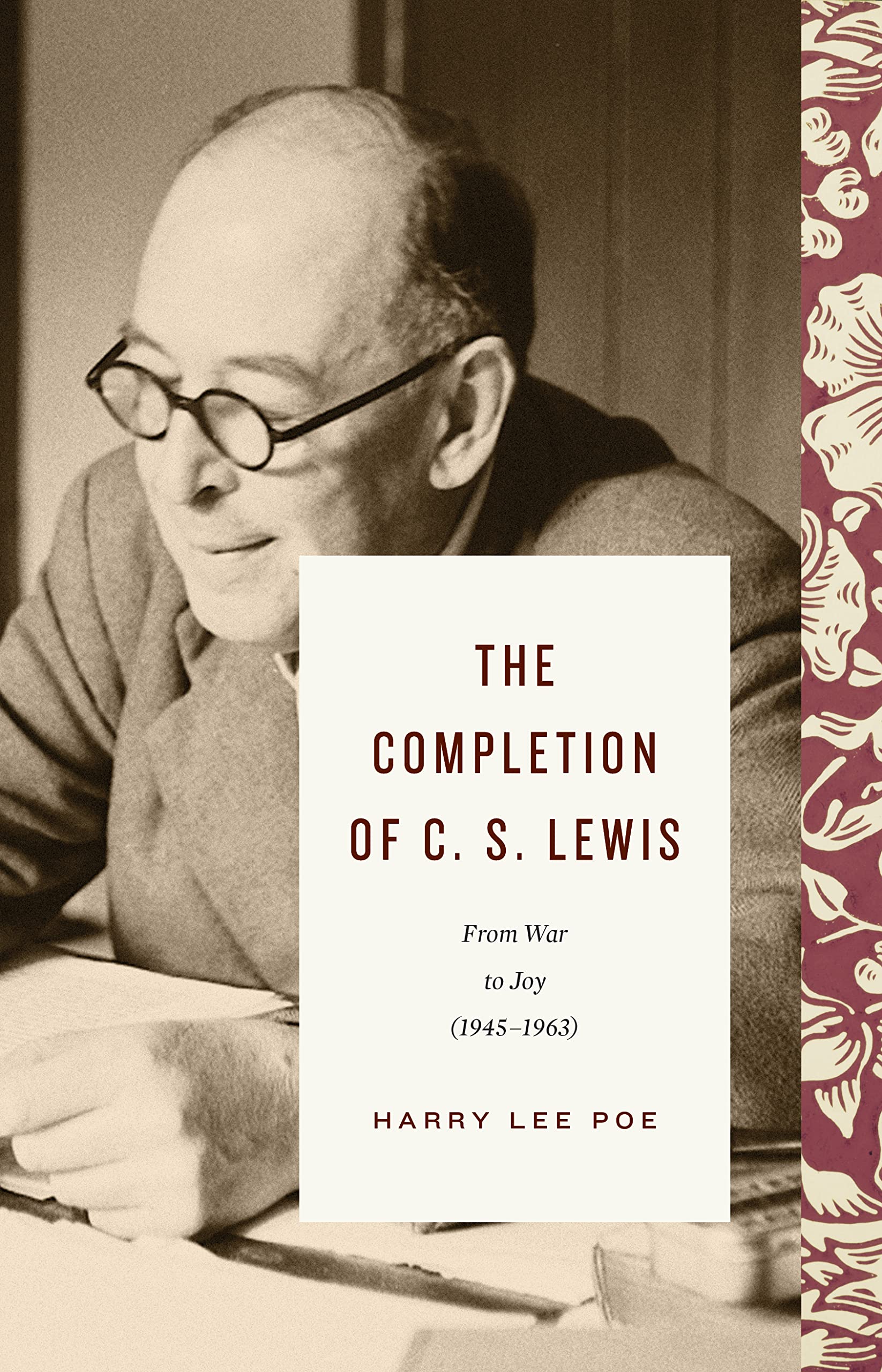 “This volume which marks the completion of a new trilogy biography of C. S. Lewis is one that readers and admirers of Lewis, new and old, will enjoy. Poe wrote these volumes at just the right time, following decades of his own widely-respected research, to reintroduce Lewis to a new generation.”
Get the book here.
Jared Wilson, Assistant Professor of Pastoral Ministry, Spurgeon College; Author in Residence, and FTC Editorial Council Member
Winner: Gospel-Centered Discipleship: Revised and Expanded by Jonathan K. Dodson (Crossway)
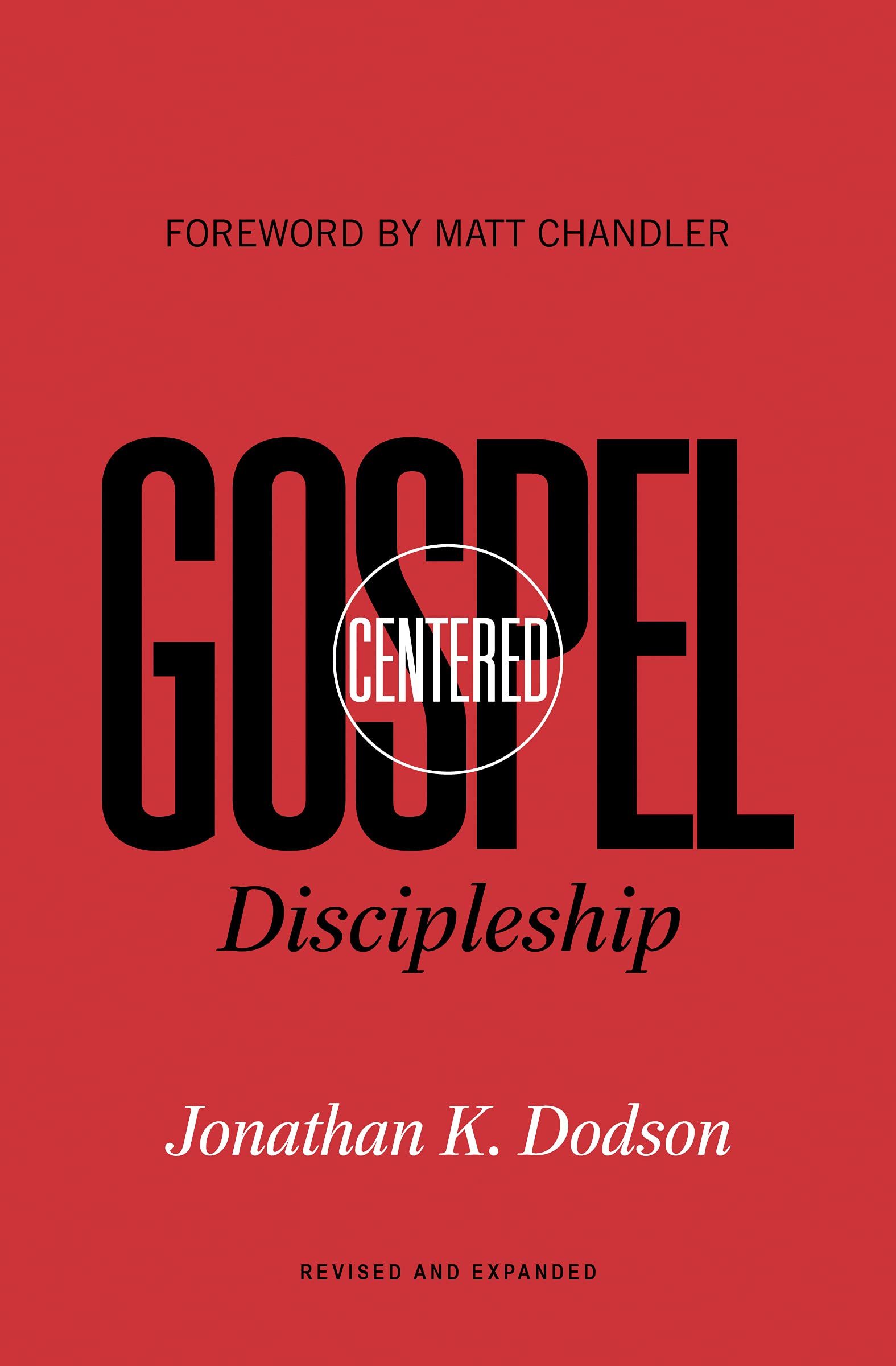 “In this tumultuous season of evangelicalism, we are in great danger of a kind of gospel amnesia―a dangerous assumption and even erosion of the precious substance of gospel-centrality. Jonathan Dodson is one of the original architects of the once-nascent gospel recovery movement and his Gospel-Centered Discipleship is a seminal text in our renewed understanding of how people change and how people grow in Christ. This new edition of such an important work can aid in our recentering and recalibrating around the amazingly powerful grace of God once again.”
Get the book here.
Runner-Up: Fruitful Theology: How the Life of the Mind Leads to the Life of the Soul by Ronni Kurtz (B&H Books)
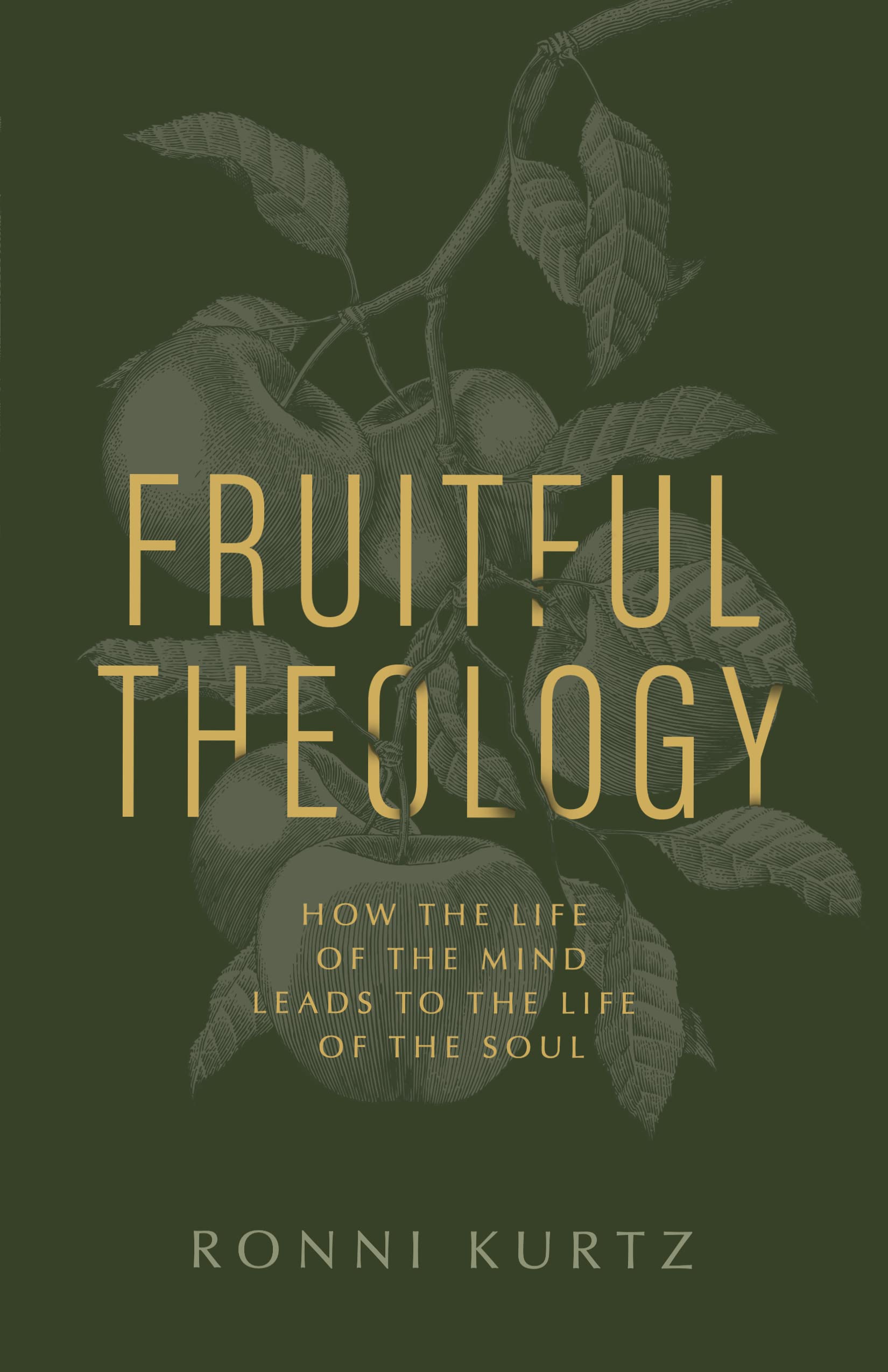 “Theology in abstraction is a soul-killer. So we need constant reminders to worship in both spirit and truth, to be both hearers and doers of the word, to speak the truth, yes, but in love. I’m grateful for Kurtz’s voice in calling us back to “doing theology” like Jesus himself. We can experience the meeting of the spirit and truth of Christ in our churches today, if we will take seriously the clarion call of a book like this. Ronni Kurtz has done us an absolutely Christian service in painstakingly helping us reorient our vision of holiness to the fruit of the Spirit.”
Get the book here.
Dr. Charles W. Smith, Senior Vice President for Institutional Relations; Assistant Professor of Christian Leadership, and FTC Editorial Council Member
Winner: Turnaround: The Remarkable Story of an Institutional Transformation and the 10 Essential Principles and Practices that Made It Happen by Jason K. Allen (B&H Books)
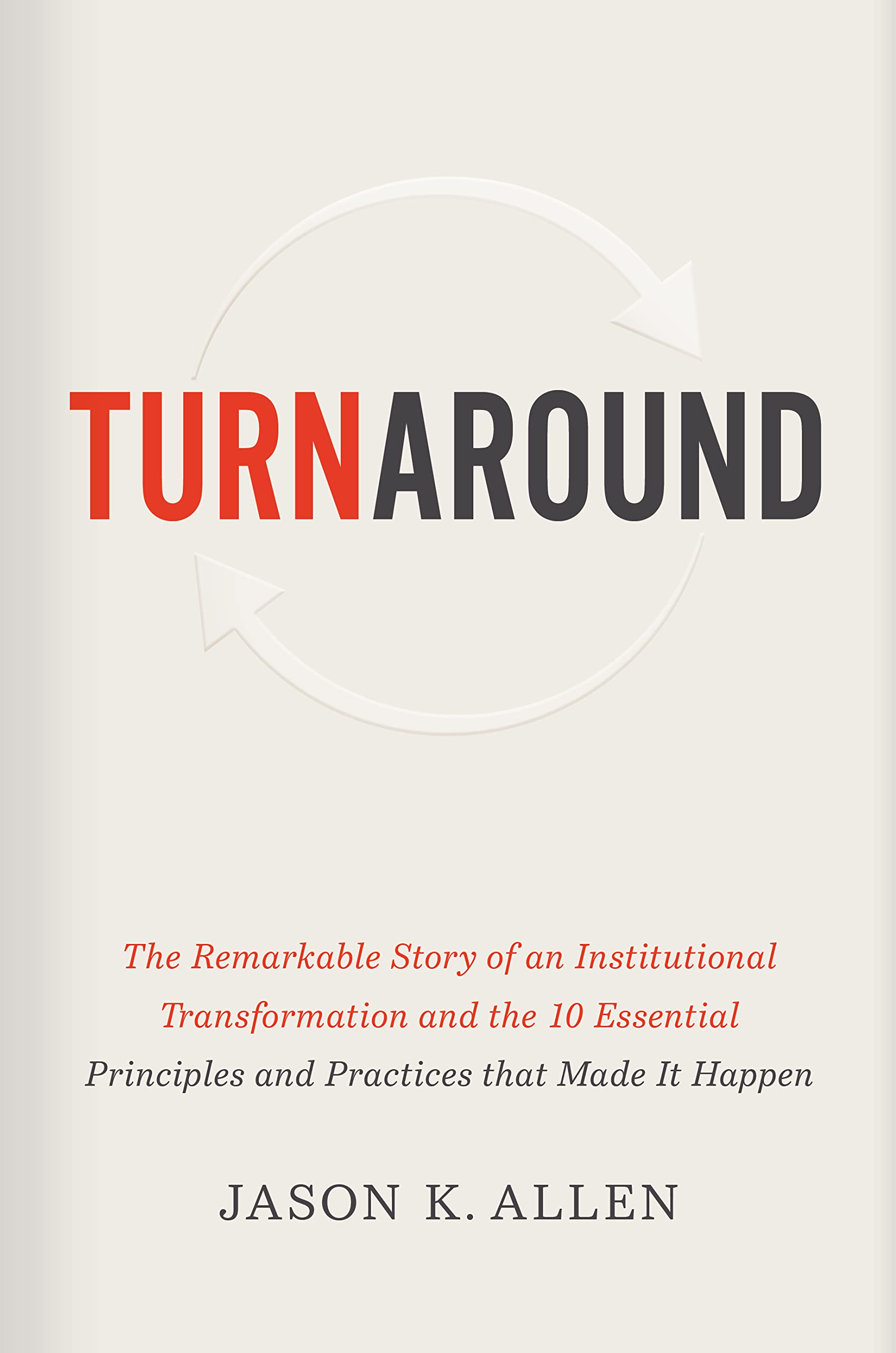 “This is one of the most insightful leadership books I’ve read. The ten principles outlined in Turnaround can be used to strengthen virtually any organization. I highly recommend it.”
Get the book here.
Runner-Up: Forgive: Why Should I and How Can I? by Tim Keller (Viking)
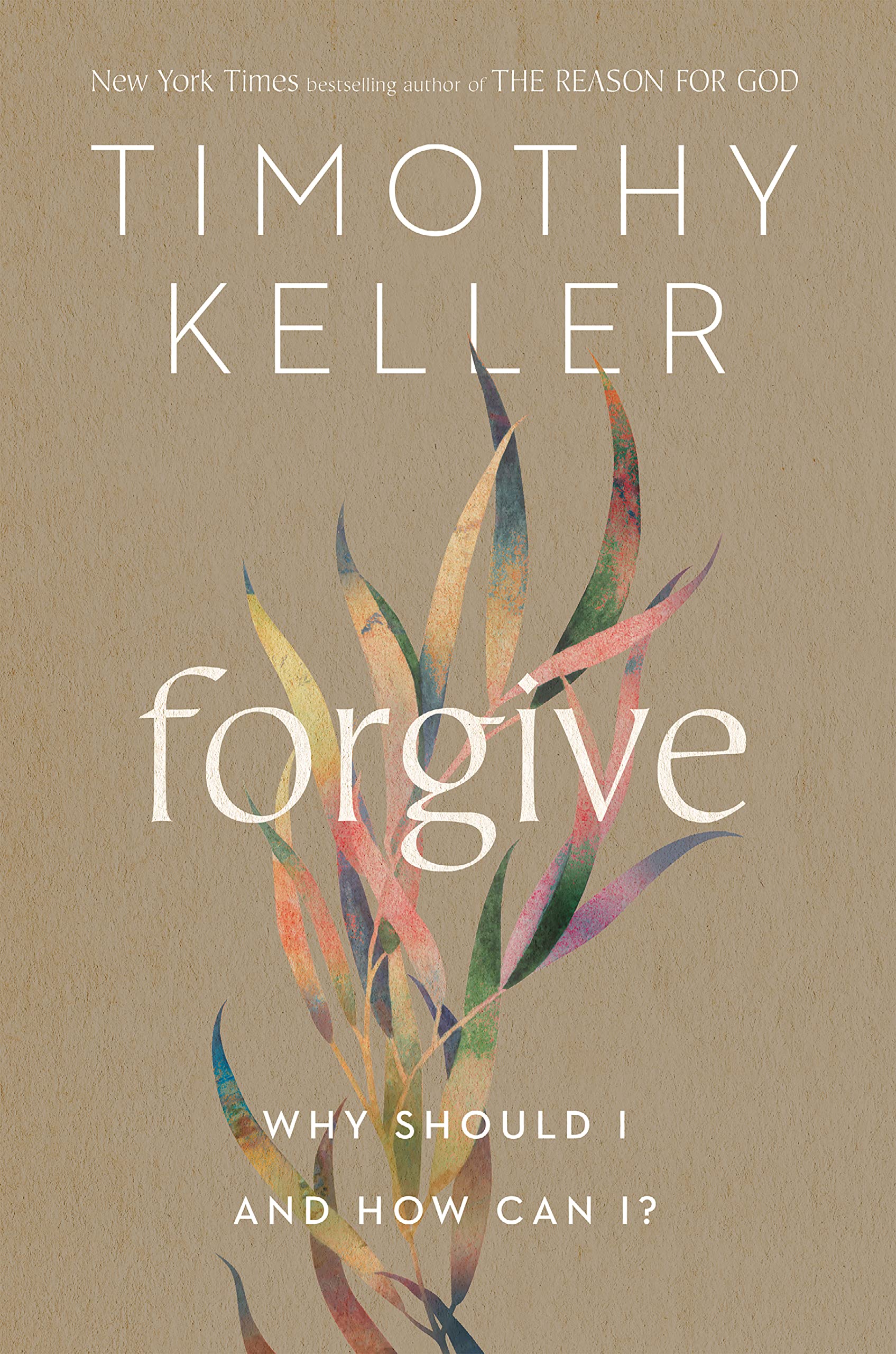 “Forgiveness is one of the easiest things to say and hardest things to do. And yet, in this timely work, Keller reminds us that our families, churches, and communities simply cannot function without a means to recognize shortcomings and restore relationships.”
Get the book here.
Dr. John Mark Yeats, Dean of Students and Student Success, Professor of Church History, and FTC Editorial Council Member
Winner: Be Thou My Vision: A Liturgy for Daily Worship by Jonathan Gibson (Crossway)
 “A daily time of worship is essential in the growing life of the believer. This may take different shapes during the seasons of life, Gibson’s superb volume provides an excellent resource with a clear structure for daily meditation on the Word of God and the doctrine of the church. The volume is organized into 31 days with each having a formal structure that takes the reader from a Call to Worship to a Closing Prayer. Each day brings helpful suggested textual readings as well as doctrinal confession from the Apostle’s Creed, the Nicene Creed, and the Athanasian Creed. Additionally, M’Cheyne’s Bible Reading Plan and questions from the Westminster Shorter Catechism are provided for the worshiper. Released in January of 2022, this volume has been my constant companion for my devotional life this year and I highly recommend it as means to go deeper in your walk with Christ.”
Get the book here.
Runner-Up: Biblical Critical Theory: How the Bible’s Unfolding Story Makes Sense of Modern Life and Culture by Christopher Watkin (Zondervan Academic)
 “The politicization of our culture is no surprise to anyone. As Christians seek to helpfully engage the culture, Watkin reminds the believer that our authority is the Word of God and not our cultural moment. Accordingly, Watkin helps believer look for the biblical “diagonalization” – the place where the Word of God transcends the polarities of culture – so we can see the better, more God-honoring way that supplants both extremes. For pilgrims wondering how to walk with boldness in the midst of today’s craziness, this is a fantastic volume that deserves to be read.”
Get the book here.
Lucas Hahn, Director of Marketing and Content Strategy and Managing Editor of For the Church
Winner: Beautiful People Don’t Just Happen: How God Redeems Regret, Hurt, and Fear in the Making of Better Humans by Scott Sauls (Zondervan)
 “In Beautiful People Don’t Just Happen, author Scott Sauls provides a compelling and practical outline for how to rightly align the pains of the flesh—regret, hurt, and shame—in the pursuit of ‘the secret of contentment.’ With a clear picture of the Gospel and its impact on the Christian life, Sauls uses personal experiences and Gospel truths to encourage and equip Christians to understand the redemptive work of Christ in our lives.”
Get the book here.
Runner-Up: The Loveliest Place: The Beauty and Glory of the Church by Dustin Benge (Crossway)
 “In a time when the Church has been ridiculed and denigrated, Dustin Benge’s The Loveliest Place lifts the church above the opinion of the world by unpacking how God views the church. With rich theological truth and personal storytelling, Benge inspires the reader to reorient their heart so that ‘by beholding such radiant beauty and loveliness’ we may ‘lift our collective and worshipful cry, ‘Indeed, the church is the loveliest place on earth.’”
Get the book here.
Brett Fredenberg, Associate Editor at For the Church
Winner: The Existence and Attributes of God: Updated and Unabridged by Stephen Charnock (Crossway)
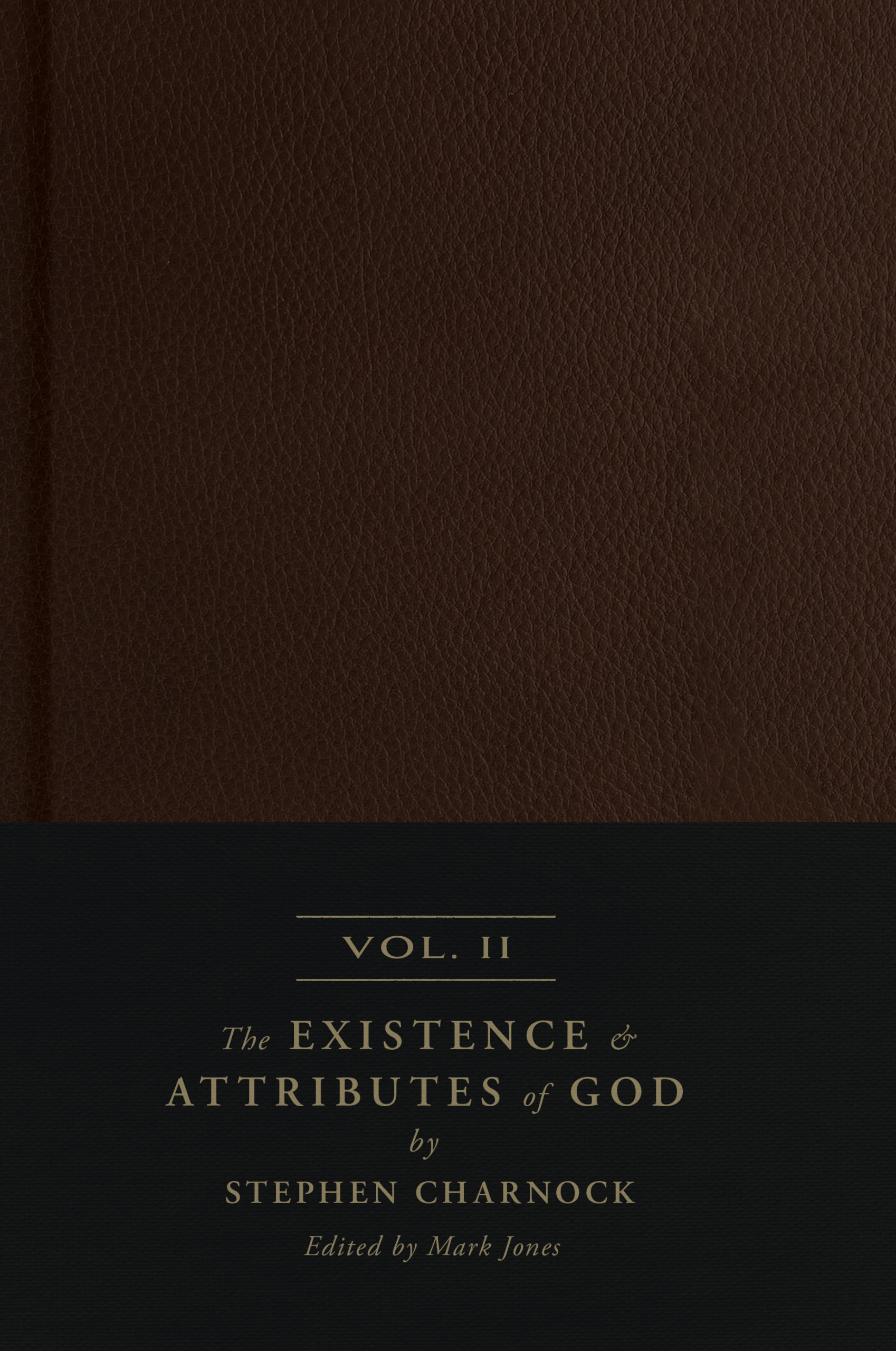 “Crossway’s republishing of Stephen Charnock’s Existence and Attributes of God this year gave me the opportunity to read through this massive theological work for the first time. What I found was not only theological expertise, but devotional insight applied with pastoral care and wisdom. After describing each attribute in detail, Charnock shows how a failure to uphold the attribute can lead to a host of vices in one’s life. He applies theology in such a way as to lead me to prayer and gratitude to God for who He is in Himself. If you don’t have time to read through the whole treatise (though I’d highly recommend it!), I’d suggest starting with the section on the goodness of God – it’s truly awe-inspiring. In the new publication, the added chapter summaries and updated language is yet another reason that make this my favorite publication and book of the year. It’s one of the most helpful theology books I’ve ever read.”
Get the book here.
Runner-up: God Shines Forth: How the Nature of God Shapes and Drives the Mission of the Church by Michael Reeves (Crossway)
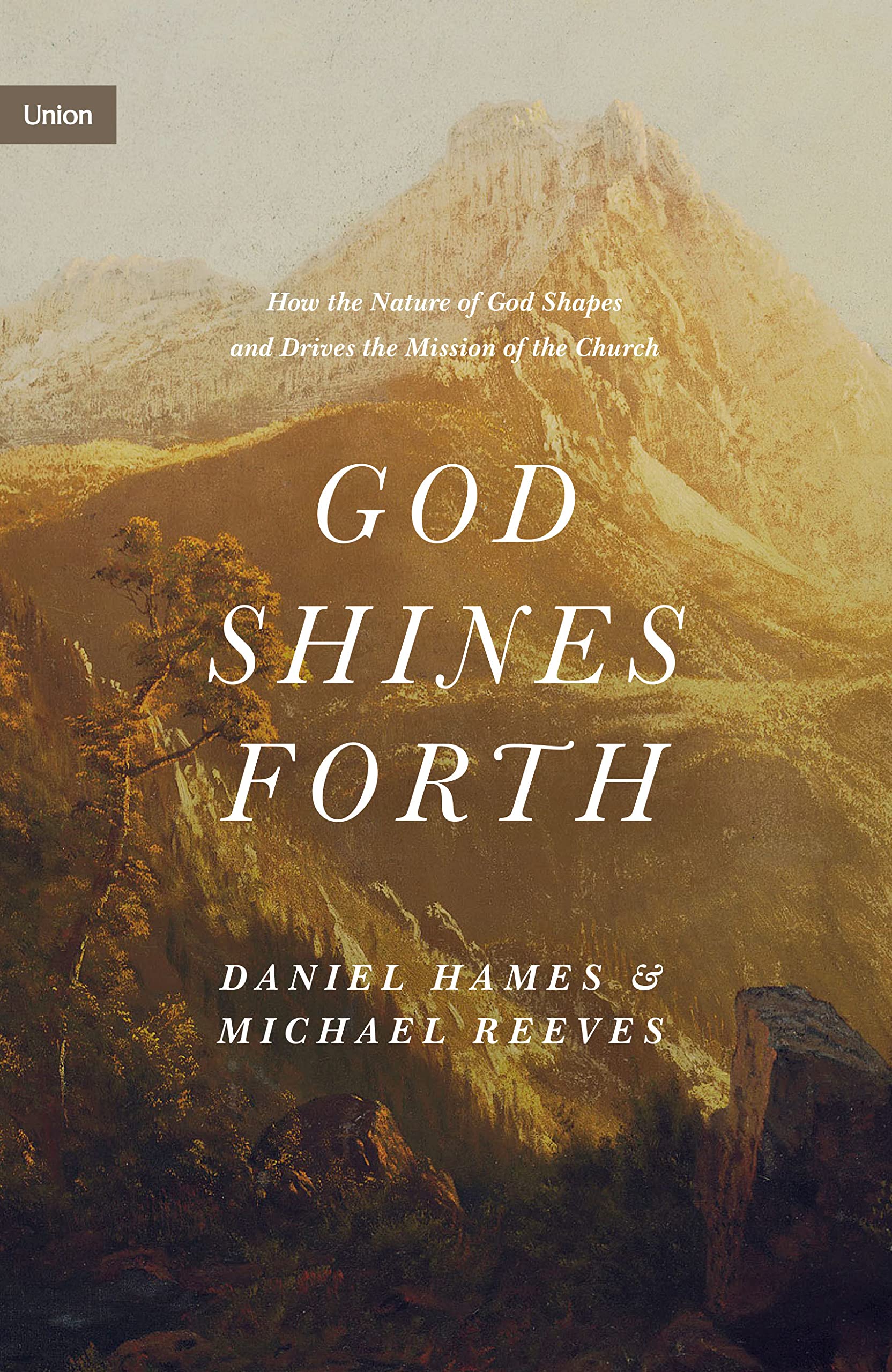 “Missions books today are a dime a dozen, but not all missions books are created equal. In God Shines Forth, Michael Reeves and Daniel Hames develop the theme that delighting in God is both the fuel and fruit of biblical mission. In the missionary task, Christians are meant to reflect the glory of God in their expressions of joy and delight in Him. Anything less borders on misrepresenting God. This treatment on missions encapsulates a more holistic approach to the Great Commission. Not only should our delight in the Lord drive us to missions, but God’s delight in Himself as Trinity should cultivate a more compelling reason to go than what has traditionally been offered – guilt trips and shame filled tactics were never sufficient. Rather, as they write, ‘Happy mission presupposes happy Christians.’ To the extent that we grow in our delight in God, we will grow to reflect his heart of pouring out for the sake of others.”
Get the book here.
Grace Pike, Associate Editor at For the Church
Winner: Beautiful People Don’t Just Happen: How God Redeems Regret, Hurt, and Fear in the Making of Better Humans by Scott Sauls (Zondervan)
“Beautiful People Don’t Just Happen gently lifts the eyes of the weary to “the Father of mercies and God of all comfort, who comforts us in all our affliction.” By embracing God’s sovereignty over brokenness, Sauls provides a compassionate, truth-filled answer to those pondering the meaning of life in light of suffering. For the “wounded healers” of the world—those on the frontlines holding the heartbroken while trying to tend to our own souls—this book will serve as a healing balm and encouragement to keep going. In a world that values strength, self-advancement, and quick success, Sauls reinforces the value God places upon “compassion, gentleness, and deep loving concern;” and calls us to do the same.”
Get the book here.
Runner-Up: Forgive: Why Should I and How Can I? by Tim Keller (Viking)
“Keller’s Forgive: Why Should I and How Can I? provides a Scriptural definition of forgiveness and teaches believers how to extend it as the Father does to us. Keller carefully examines the relationship between revenge, justice, forgiveness, and reconciliation in light of God’s holiness while also acknowledging the pitfalls of worldly misconceptions about forgiveness. In addition to his wise theological assessment, Keller also encourages practical steps for believers to trust Christ’s work on the cross as they seek unity in love.”
Get the book here.
Grace Sutton, Associate Editor at For the Church
Winner: Bully Pulpit: Confronting the Problem of Spiritual Abuse in the Church by Michael J. Kruger (Zondervan)
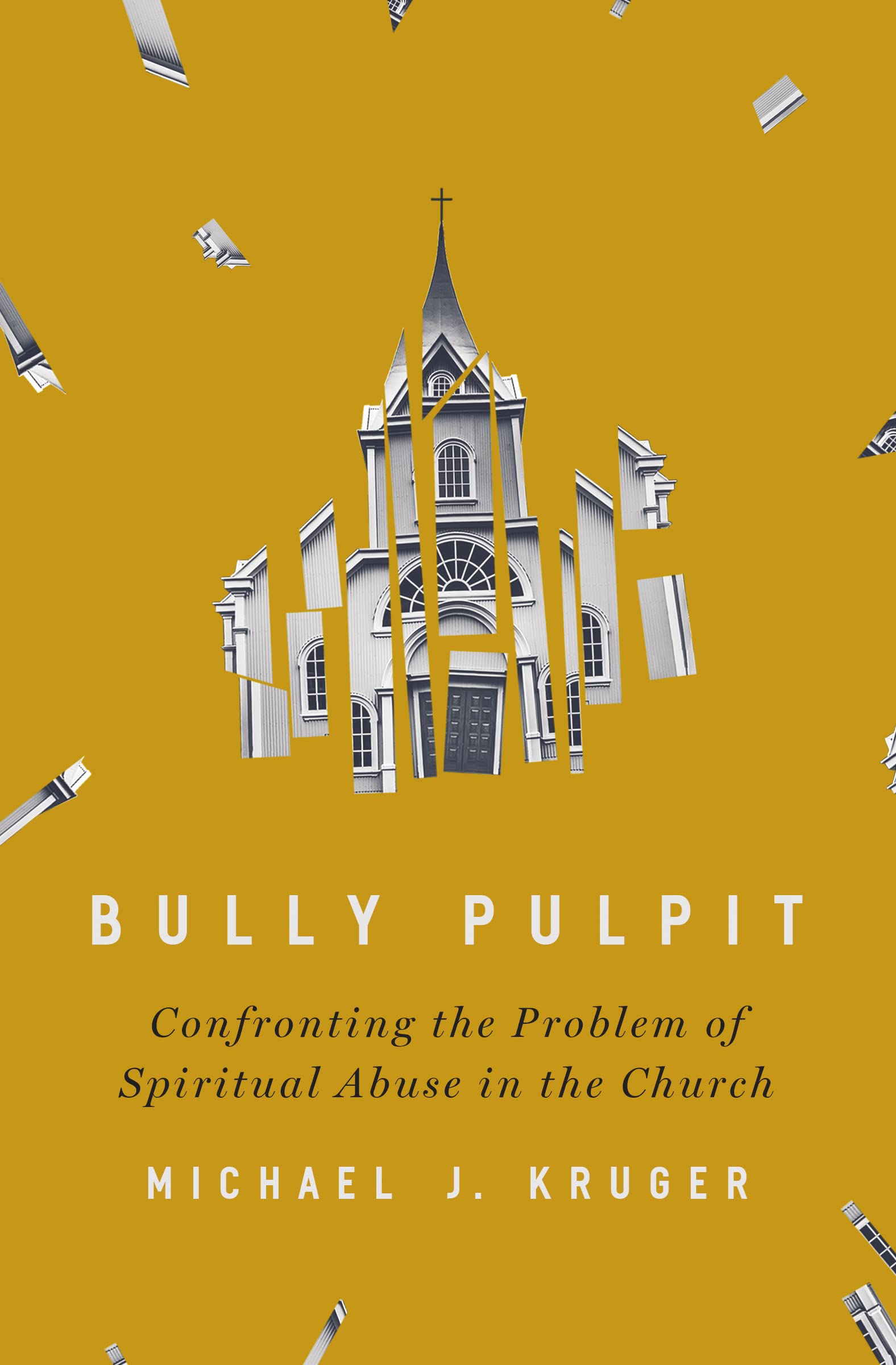 “Tackling a topic that can easily make readers give up on the church, Dr. Kruger practically identifies the causes, symptoms, and cures of spiritual abuse so his readers can know what it is (and isn’t) in order to thrive in Christian community. Whether you have experienced spiritual abuse, been unfairly accused of it, inflicted it, or none of the above, this book is for you. Kruger’s research and “perch” from theological education shines a light on a subject Christians should see to better help their congregations and pastors.”
Get the book here.
Runner-Up: Jesus Through the Eyes of Women: How the First Female Disciples Help Us Know and Love the Lord by Rebecca McLaughlin (The Gospel Coalition)
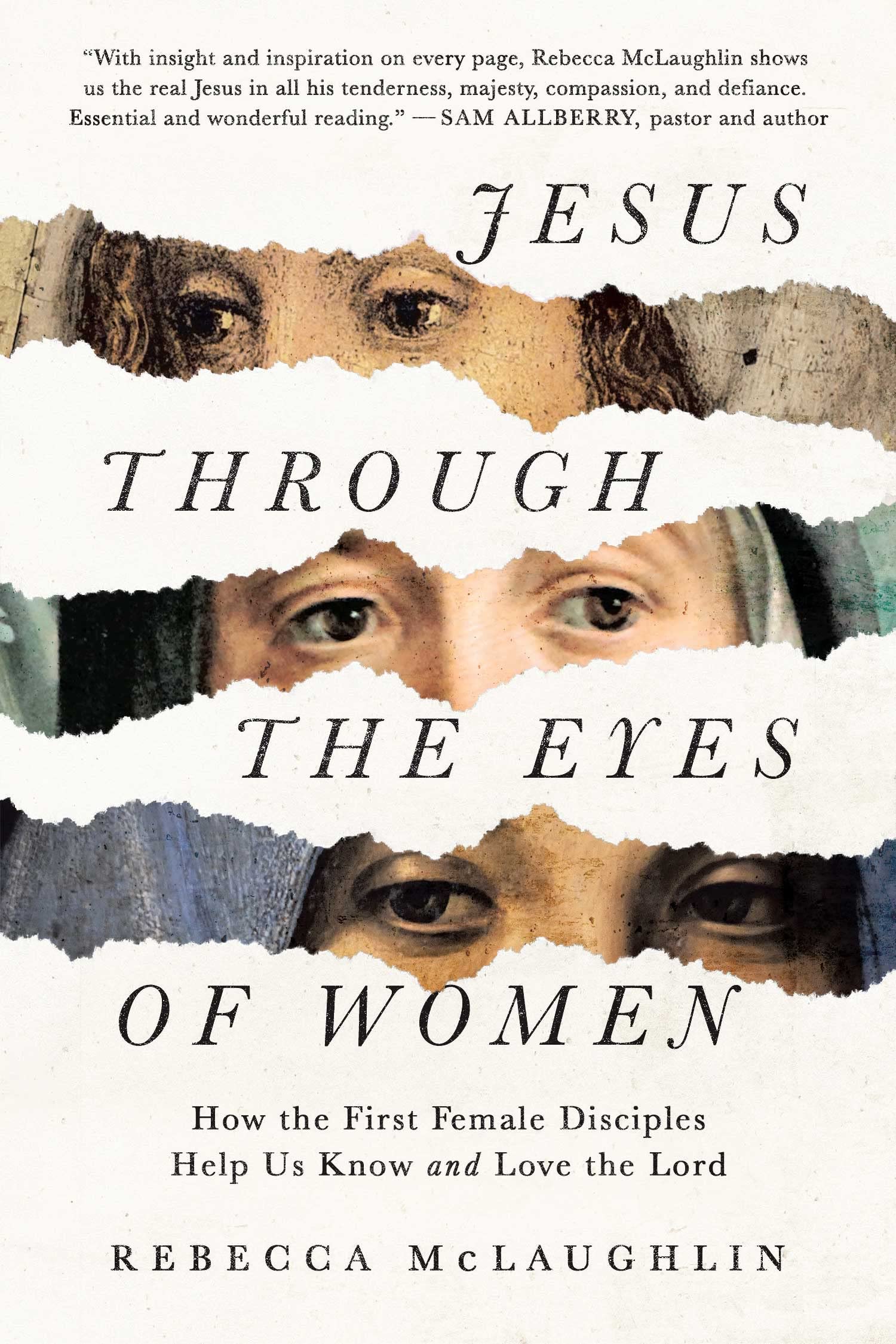 “It’s unfortunately common for women to wonder how they “fit” in Christianity. Jesus Through the Eyes of Women reminds us that women are vital to the Good News by insightfully collecting the interactions between Jesus and women in the four canonical gospels. This is an excellent individual or group reading experience, with discussion topics at the end of each chapter. McLaughlin can address the skeptic on why the witnesses of the four gospels matter, remind the Christian who Jesus is, and reinvigorate all to cherish the God who values all peoples and genders for His glory and His plan.”
Get the book here.
Joseph Lanier, Manager, Sword & Trowel Bookstore and Tomlinson Cafe
Winner: Biblical Reasoning: Christological and Trinitarian Rules for Exegesis by R.B. Jamieson and Tyler R. Wittman (Baker Academic)
 “Biblical Reasoning demonstrates the primary importance of the Holy Trinity and Christology in biblical exegesis by giving theological principles and rules for exegesis of Christian Scripture. The Holy Trinity is the true subject matter of the Holy Scriptures such that work of apprehending knowledge of Him and His works should be determined by who He is in Himself. From inseparable operations to partitive exegesis to the beatific vision, the goal of biblical reasoning is the goal of Scripture itself: to shape readers into disciples who pursue the vision of the triune God in Christ. We should pray, then, like Anselm: ‘May I receive what You promise through Your truth so that my joy may be complete.’”
Get the book here.
Runner-up: Overcoming Apathy: Gospel Hope for Those Who Struggle to Care by Uche Anizor (Crossway)
“Anizor’s Overcoming Apathy is an insightful and careful analysis of the ‘sickness of the soul.’ He demonstrates the pervasive culture of apathy in our “Seinfeldian society” and distinguishes it from depression, despondency, and dry spells. In a pastoral manner, Anizor presents seven causes of apathy that are paired with seven biblical ways to combat apathy. Ultimately, Anizor explores how God, as our great reward and satisfier of all our needs, is the ongoing cure for apathy.”
Get the book here.
Once again, we would like to extend a congratulations to the authors and publishers represented in the 2022 For the Church Book Awards. You can view previous winners of the FTC Book Awards here: 2021, 2020, 2019, 2018, 2017.