

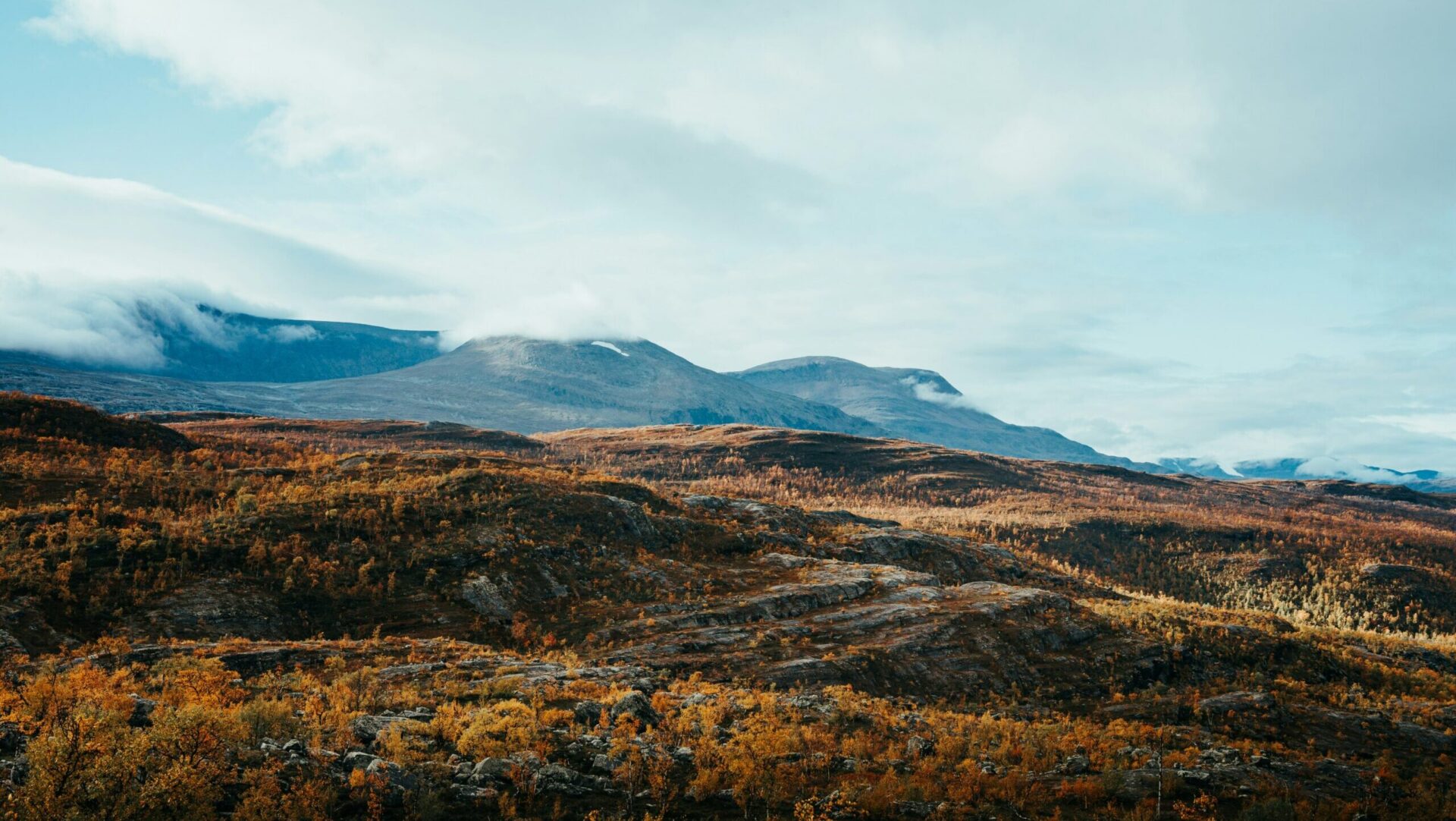
Every Christian eventually experiences seasons they would never choose.
Some walk through chronic illness. Others bury loved ones, endure loneliness, face disappointment, or wait for answers that seem slow in coming. There are moments when life seems to stand still and prayers appear to go unanswered. During these difficult seasons, believers often ask a similar question: “Lord, why am I here?”
The Bible is filled with people who spent time in what we might call a wilderness.
Moses spent forty years in the wilderness before leading Israel. David spent years fleeing for his life before becoming king. Elijah found himself alone in the desert, exhausted and discouraged. Jesus Himself spent forty days in the wilderness before beginning His public ministry, fasting and resisting the temptation of Satan.
The wilderness is rarely comfortable, but it is often transformative.
The Wilderness Is a Place of Formation
Modern culture teaches us to value speed, success, and visible results. We want immediate answers, instant solutions, and clear direction. Yet God frequently works through waiting. Scripture repeatedly shows that spiritual maturity is often developed not during seasons of abundance but during seasons of dependence.
One of the greatest dangers in difficult seasons is believing that God has abandoned us. Circumstances can easily become louder than faith. Pain can distort perspective. Disappointment can convince us that our story has stalled. Yet the Bible consistently presents a different message.
God was present with Joseph in prison, Daniel in Babylon, Paul in prison, and Christ in Gethsemane. The absence of comfort does not mean the absence of God. The clearest proof of this is found in Christ Himself. Jesus entered our suffering, carried our grief, and walked through the ultimate wilderness of the cross so that His people would never walk alone.
Many Christians can testify that their deepest spiritual growth occurred during seasons that they would never choose to repeat. The wilderness often strips away false securities and reminds us where our hope truly belongs.
This does not mean suffering is beneficial in itself. Christianity never glorifies pain for its own sake. Jesus healed the sick, comforted the grieving, and fed the hungry. God cares deeply about human suffering. However, Scripture teaches that God can bring purpose from pain and hope from hardship.
Romans 8:28 remains one of the most beloved promises in the New Testament for this reason: “And we know that for those who love God all things work together for good, for those who are called according to his purpose.”
Notice that Paul does not say all things are good, but that God can work through all things for good. The “good” Paul describes is not necessarily comfort, success, or an easier path, but God’s purpose of making His people more like Christ. That distinction matters.
Christians are not called to deny reality or pretend that hardship is pleasant. Instead, they are invited to trust that God remains faithful even when circumstances are difficult to understand.
The wilderness also teaches dependence. When life is comfortable, it is easy to rely on our abilities. Success can create the illusion of self-sufficiency. Yet difficult seasons remind us how deeply we need God’s grace.
In the wilderness, we often discover how dependent we truly are. Prayer becomes less of a routine and more of a lifeline. Scripture becomes more precious and necessary. Faith becomes less theoretical and more personal. Perhaps this is why God meets people in unexpected places so often. The wilderness may feel empty, but throughout Scripture it often becomes a place of divine encounter.
The Wilderness Is Not Wasted
If you find yourself in such a season today, take heart because your waiting is not wasted, your struggles are seen, and your prayers are heard. God is still working even when His activity is difficult to recognize—and it is often these very seasons that are the most formative.
The wilderness is not the destination; it is part of the journey. And if Christ walks with us through the valley, then even the hardest road can become a place of hope. Through every season of waiting, uncertainty, and hardship, believers can trust that God remains faithful and that Christ walks with them. He has not forgotten His people, and He never wastes the wilderness.