

“Now to him who is able to do far more abundantly than all that we ask or think, according to the power at work within us, to him be glory in the church and in Christ Jesus throughout all generations, forever and ever. Amen” (Eph. 3:20–21).
I was in my early twenties when we buried my aunt. She had been the bright center of our family—the one with the booming laugh and lipstick kisses, the woman who never had daughters but poured every ounce of girl-mom love into her nieces. She taught us how to be sophisticated in a fun yet modest way. She spoiled us rotten.
Then cancer struck—quick and merciless. My faith at that moment felt too weak even to whisper a prayer. Nonetheless, while we declared aloud, “God is going to heal her,” inside, we were terrified. We stuffed the fear so deep it never saw the light of day. We smiled bravely and kept hope alive, as if our positivity could influence God’s hand.
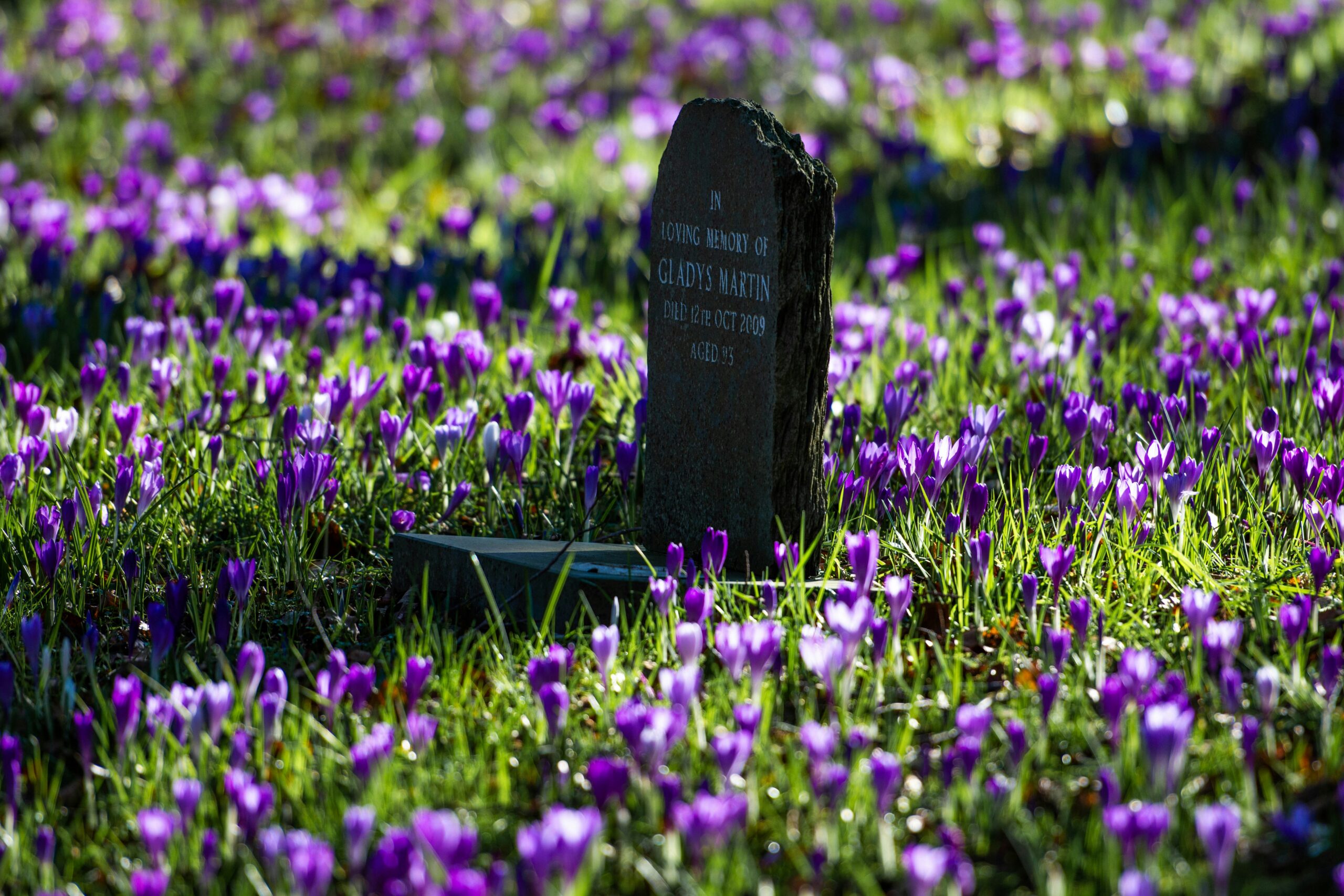
The night she died, the hospital hallway swallowed my mother’s scream. A few days later, her casket disappeared into soft Florida dirt, and something in me snapped shut. I didn’t rage at God; I just quietly concluded that my faith wasn’t strong enough. Our prayers weren’t enough.
I decided some graves stay closed because the people praying over them simply don’t have what it takes.
That day became my pattern. Every later disappointment got the same verdict: buried fast, labeled “I’m not enough,” and guarded by shame.
A dream that died—my fault.
A relationship that ended—my prayers too weak.
A sin I couldn’t shake—proof I’ll never measure up.
I became an expert at sealing tombs and then standing watch so no one, especially Jesus, would come near with any wild talk of resurrection.
We all do this, don’t we? We pronounce things dead, blame our own insufficient faith, and bolt the door.
But Jesus has never once waited for our faith to be big enough before He starts kicking stones away.
Look at Lazarus. Four days dead, body decaying. Martha greets Jesus with the same verdict I carried: “Lord, if you had been here, my brother would not have died” (John 11:21). And when He says, “Roll the stone away,” she objects, “Lord, there will be an odor.” In other words: It’s too late. The faith window closed. Jesus doesn’t lecture her on belief levels. He doesn’t measure the size of anyone’s mustard seed. He simply calls the dead man by name and death is no more.
Or the two disciples on the Emmaus Road, trudging away with hearts in the grave. They confess their disappointment in the past tense: “We had hoped…” (Luke 24:21). Their faith is ashes. The Risen One doesn’t wait for them to muster hope. He walks beside their unbelief, opens Scripture, breaks bread—and suddenly the dead Man is the living Host.
Even Ezekiel in the valley of bones isn’t asked to produce faith first. “Can these bones live?” God asks. Ezekiel’s honest answer is the only one any of us ever has when standing over real graves: “O Lord God, only you know.” To God be the glory, the Spirit breathes life back into those bones anyway. Because the quality of our believing has never powered resurrection; it is powered by the relentless love of the One who believes for us when we cannot.
I finally quit standing guard over my aunt’s grave. That moment was a defining one for our family (and not in a good way). I presented my case: “God, I don’t have enough faith to roll any stone. I still think You said no because we weren’t enough. I’m mad and tired and done pretending. Do whatever You want, but I’m out of hope.” I expected silence. Instead, slowly, gently, and over a long period of time, Jesus met me in my unbelief—not with rebuke, but with Himself.
He is the one who was buried so that no grave, not even the ones we lock with shame and small faith, could ever hold final authority.
So bring Him your grave today, no matter how you feel—faithless, furious, or just numb. You don’t have to feel hopeful. You don’t have to manufacture belief. Just whisper the smallest, most honest version of “Lord God, only You know.”
Tell one safe person who will remind you that resurrection never depended on you in the first place. Then let Ephesians 3:20–21 be the truth that prays for you when you can’t: He is able to do far more than all we ask or even think—especially when we have stopped asking and thinking altogether.
Jesus still crashes funerals. He doesn’t stand outside waiting for us to get our faith act together. He walks straight through the door we bolted and calls our names anyway.
And to Him—the One who refused to stay dead and who refuses to let our weak faith have the final word—be glory in the church and in Christ Jesus throughout all generations, forever and ever. Amen.